

Somewhere around fifth or sixth grade, a familiar conversation starts at home. “I’m too old for after school.” “Can’t I just come home?” It is a fair question, and plenty of parents wonder the same thing. But the right after school program for middle schoolers is not daycare for big kids. For tweens ages 10 to 13, it is the structure that keeps homework done, habits forming, and afternoons productive during the years when those things matter most.
We run an after school program in Gallatin, TN for ages 5 to 14, so we see this stage up close every year. Here is why tweens still benefit from structure, what a good program for this age looks like, and how to tell if your child is ready for something different.
Why the Tween Years Are a Turning Point
Middle school asks a lot of kids all at once. More teachers, more classes, more homework, and for the first time, real responsibility for keeping track of it all. At the same time, tweens are pulling toward independence and spending more time thinking about friends than about fractions.
That combination is exactly why the afternoon hours matter. Left unstructured, the time between dismissal and dinner tends to drift toward screens, snacking, and homework that gets pushed to 9 PM. With structure, the same three hours become the place where kids learn to manage their own workload with an adult nearby to back them up.
Parents nationwide are feeling this too. According to the Afterschool Alliance’s America After 3PM 2025 findings, nearly half of middle schoolers not in an afterschool program (49%) would be enrolled if their parents could find one, a 36% increase since 2004. Among parents of kids already in programs, 82% say those programs help their children build teamwork, critical thinking, and leadership skills.

What Structure Actually Does for a 10- to 13-Year-Old
“Structure” can sound like a polite word for rules. For tweens it means something more useful: a predictable routine that does the organizing until they can do it themselves.
- Homework gets done before the evening. A set homework block, every day, with staff available when a math problem stalls. That is a habit tweens carry into high school. Our post on how we help kids with homework explains why we guide instead of giving answers.
- Goals are visible. Tweens respond to clear targets and earned progress. A belt rank system gives them both, and our guide to belt ranks for kids walks through how that works.
- Energy has somewhere to go. After six hours at a desk, physical activity is not optional for most kids this age. It is how they reset and focus.
- Adults stay in the loop. Middle schoolers often stop volunteering information at home. Trained staff who see them every afternoon notice when grades slip or a friendship goes sideways.
What a Good After School Program for Middle Schoolers Looks Like
Not every program is built with older kids in mind. When you visit, look for these things:
- Real academic time. Not just “quiet time,” but a dedicated homework block with staff who can help.
- Age-appropriate placement. A 12-year-old should not feel like they are being babysat alongside kindergarteners all afternoon.
- Leadership and responsibility. Programs that give older kids goals, standards, and a chance to lead keep them engaged instead of bored.
- Physical activity with purpose. Structured training beats an unsupervised playground for this age.
- A zero-tolerance approach to bullying. Middle school is when social pressure peaks, so ask directly how a program handles it.
For a fuller checklist, see our guide on how to choose an after school program.
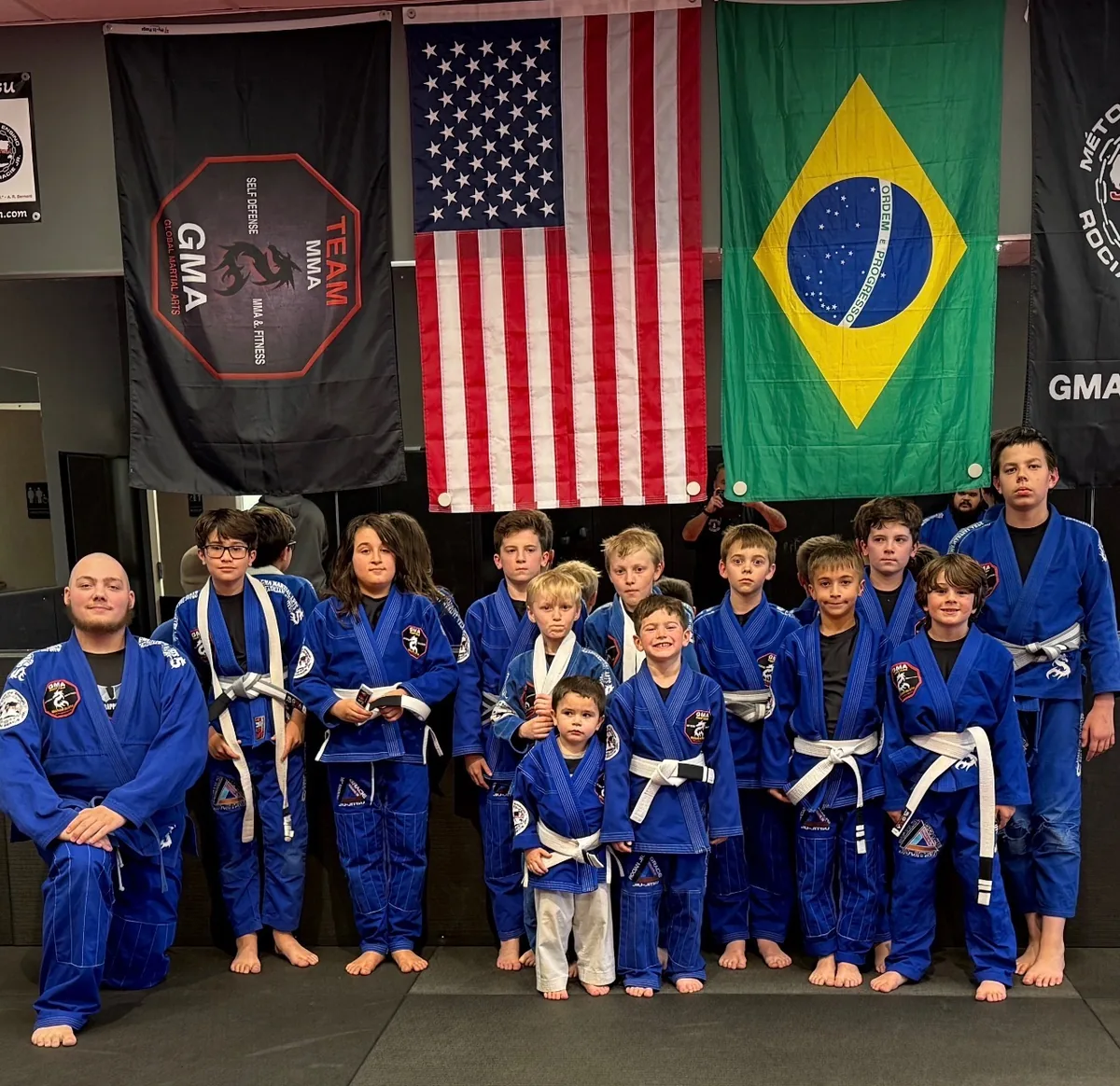
How GMA Works for Middle Schoolers in Gallatin, TN
Our after school program serves ages 5 to 14, which covers the full middle school years. Every child receives a free private assessment before starting so we can place them with the right peer group and staff support. Here is what the afternoon includes, straight from our published program:
- Pickup from local middle schools, including Liberty Creek Middle, Station Camp Middle, Rucker Stewart Middle, Joe Shafer Middle, and St. John Vianney School (K–8), starting around 2:30 PM
- Snacks, then a staffed homework and tutoring block, with report cards reviewed as part of our advancement criteria. Academics come first.
- Leadership and life skills training, a structured progression in discipline, respect, confidence, and focus
- Physical education included free through Taekwondo and Brazilian Jiu-Jitsu, part of the GMA family that includes Global Martial Arts USA, with belt testing eligibility after about three months of consistent attendance
- A strict bully-free zone, where conflict avoidance is taught before anything physical. More on that in our anti-bullying post.
- Fun Fridays with games, Nerf wars, and themed activities, because tweens still need to have fun
Pricing is the same for every age and posted on our school pricing page: a one-time $75 registration fee that includes a uniform, $110 per week for care until 5:30 PM, or $135 per week with extended hours until 6:00 PM. The program is directed by our degreed Child Development Expert, and GMA was voted best in Sumner County in 2024 and 2025.
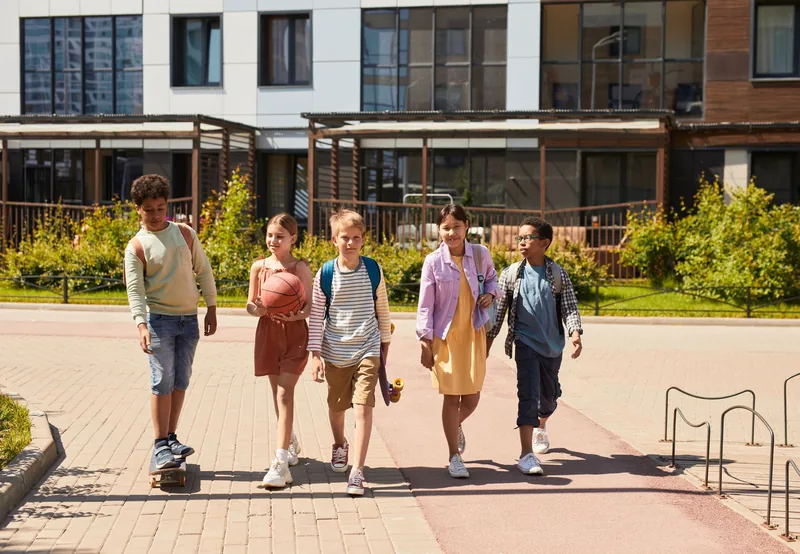
Signs Your Tween Is Ready for More Independence
Structure is not meant to last forever. The goal is a kid who can eventually run their own afternoon. A few signs your child is getting there:
- They start homework on their own without reminders, and it is actually finished
- They keep track of assignments and due dates across multiple classes
- They can handle a small problem, like a forgotten key or a schedule change, calmly
- They choose active time or reading over screens without being told
If those sound like your child, great. Many families still choose a program through age 13 or 14 because the routine is working. If you are not there yet, that is normal too. Those habits are exactly what the middle school years are for building. Our post on screen time vs active time has more on that piece.
See If GMA Fits Your Middle Schooler
Schedule a free consultation and tour our 6,000 sq ft campus in Gallatin, TN. Bring your tween along. We will talk through their school, schedule, and goals, and every child gets a free private assessment before starting.
Book a ConsultationOr call us at (731) 324-3850
Frequently Asked Questions
Not at GMA. Our after school program serves ages 5 to 14, so 12- and 13-year-olds are well within range. Every child gets a free private assessment before starting so we can place them with the right peer group and staff support.
Yes. GMA picks up from Liberty Creek Middle, Station Camp Middle, Rucker Stewart Middle and Joe Shafer Middle, plus St. John Vianney School (K–8), along with local elementary schools. If your school is not listed, call 731-324-3850. GMA can often add a stop.
The same as for every age: a one-time $75 registration fee that includes a uniform, then $110 per week for care until 5:30 PM, or $135 per week with extended hours until 6:00 PM. Pickup, snacks, homework help, leadership training and physical education are included.
No. Physical education through Taekwondo and Brazilian Jiu-Jitsu is optional but free for every after school member. Students who participate attend 2 to 3 classes per week per style and become eligible for belt testing after about 3 months of consistent attendance.
Yes. Every afternoon includes dedicated homework time with staff support, and report cards are part of our advancement criteria. Private 45-minute tutoring sessions are also available separately at $30 to $40 per hour.