

Figuring out how to choose an after school program is one of those decisions that feels bigger than it should — because it is. You're handing over the hours between the final bell and dinnertime, five days a week, to someone else. Those afternoons add up to a huge slice of your child's week, and the right program can shape their habits, confidence, and friendships. The good news: once you know what actually separates a great program from a glorified waiting room, the choice gets much clearer. Here are the seven things every parent in Gallatin, TN should look for.
How to Choose an After School Program: Why It Matters
School-age kids are not toddlers, and their after school hours shouldn't be treated like extended daycare. By the time a child is in elementary or middle school, those afternoons are prime time for homework, movement, and social growth — or they're prime time for boredom and screens. That's the real stakes behind learning how to choose an after school program: you're not just buying supervision, you're choosing how your child spends roughly 15 hours a week.
A weak program fills the time. A strong one uses it. As you compare options, the seven factors below are the ones that consistently tell you which kind you're looking at. If you've already wondered how after school care differs from daycare, this is where that difference becomes concrete.
The 7 Things to Look For in an After School Program
1. Safety and Supervision
Nothing else matters if your child isn't safe. Ask about the student-to-staff ratio, sign-in and sign-out procedures, who is allowed to pick up your child, and how the facility is secured during program hours. A trustworthy program will answer these questions without hesitation and let you see the space for yourself. At GMA, safety is the foundation of everything — you can read exactly how we keep every child safe, from a background-checked, CPR-certified team to a peanut-free, bully-free campus.
2. Staff Quality and Training
The adults in the room are the program. Look for staff who are background-checked, trained in first aid and CPR, and — just as important — genuinely good with kids. Longevity is a great signal: if the same faces have been there for years, that's a program families trust. Ask how staff are hired and trained, and notice how they interact with children during your tour. You can meet our team and see the 33+ years of youth-development experience behind GMA's staff.
3. Structure and a Predictable Daily Routine
Kids thrive on rhythm. A good program has a clear, consistent flow to the afternoon — pickup, a snack, homework time, activity, free play — not a loose free-for-all. Ask to see a sample daily schedule. If a program can't describe what a typical afternoon looks like, that's a red flag. If it can, you'll immediately get a feel for whether the day is intentional. Seeing a real day in the life of a program is one of the fastest ways to judge this.
4. Homework and Academic Support
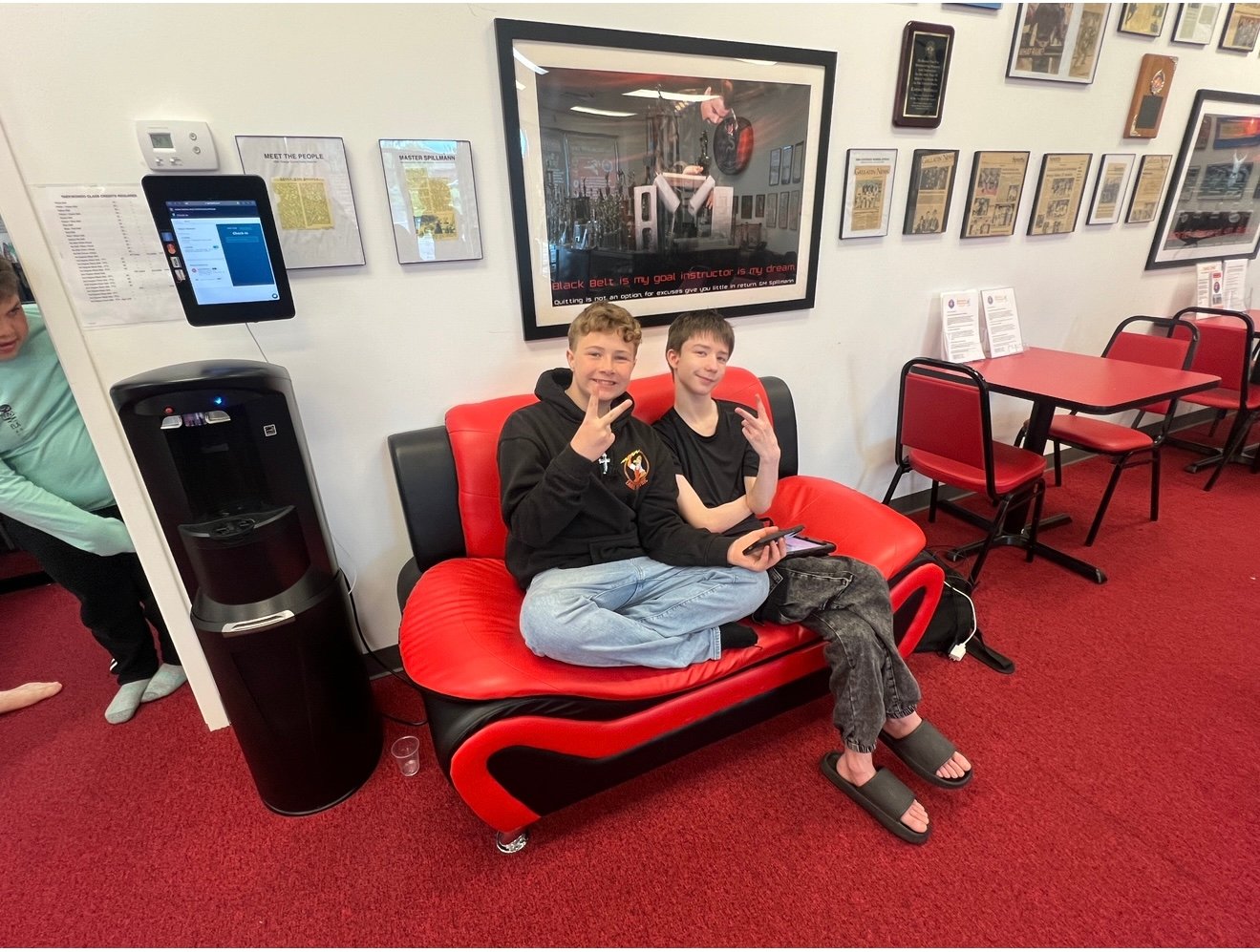
For most families, homework help is the make-or-break feature. But there's a difference between a program that simply sets aside quiet time and one where staff actually guide kids through tough problems. Ask whether there's a dedicated homework block, how much support kids get, and whether children usually leave with their work done. The goal is a child who walks in the door at pickup ready to relax — not one who still has an hour of math ahead of them.
5. Enrichment Beyond Babysitting
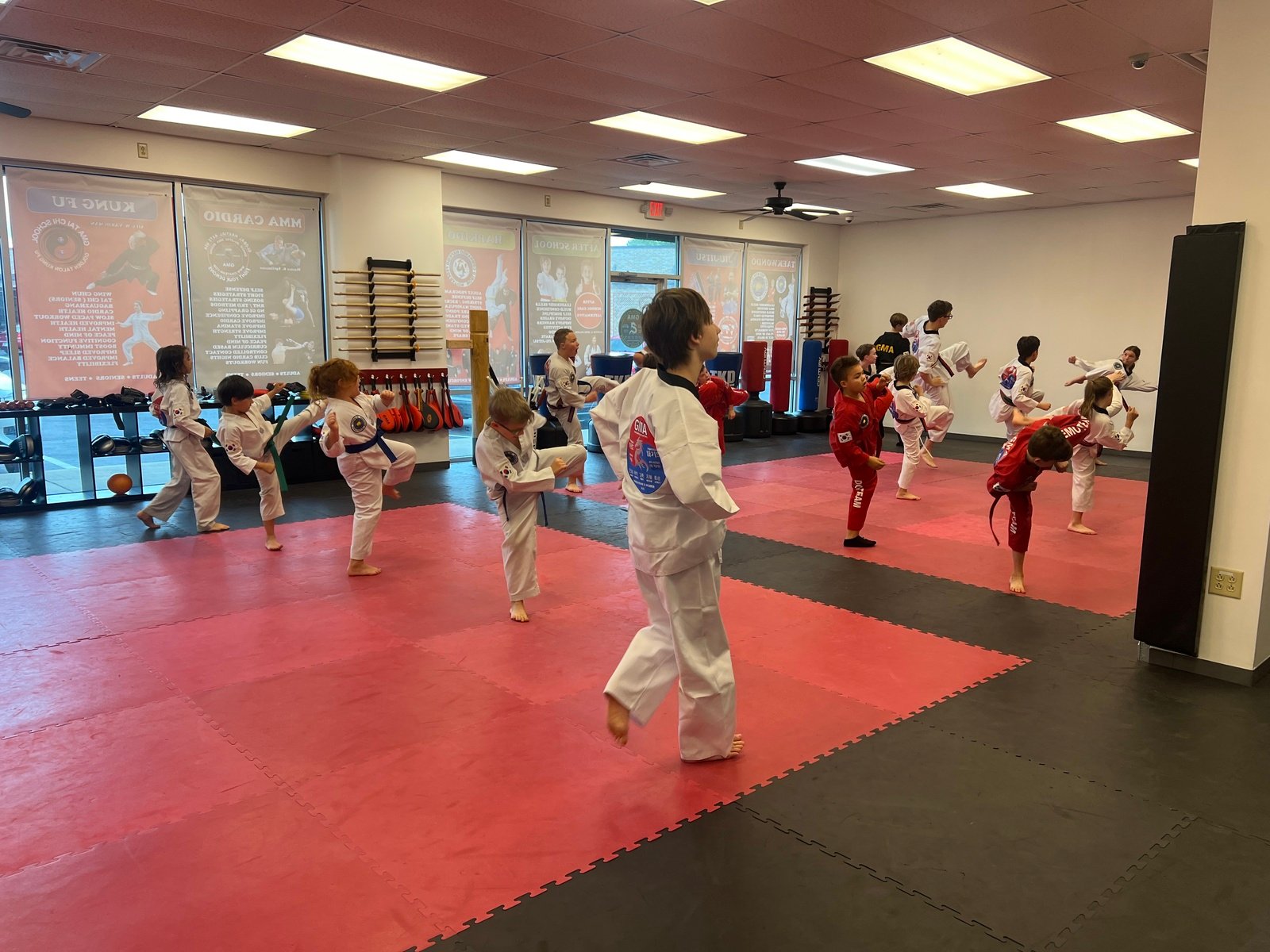
This is where great programs pull away from the pack. Beyond homework and supervision, what does the program actually add to your child's life? Look for real enrichment — physical activity, character development, teamwork, and life skills. At GMA, every student gets structured physical education through our martial arts program at no extra cost, building coordination, discipline, and confidence as part of the daily routine. That's a very different afternoon than sitting in front of a tablet, and it's exactly why we use martial arts instead of babysitting.
6. Transportation and Logistics
Even a wonderful program won't work if the logistics don't fit your life. Does the program pick up from your child's school, or are you responsible for drop-off? What are the exact hours, and what happens if you're running late? Are there policies for early-release days, holidays, and sick days? These practical details make or break the daily reality. GMA picks up from 14 local schools across Gallatin and Sumner County, so the afternoon handoff is one less thing for parents to coordinate.
7. Cost, Value, and Fit
Price matters, but it's the last thing on this list for a reason. The real question isn't "what does it cost?" — it's "what do we get for it?" A slightly higher rate that includes homework help and physical education can be a far better value than a cheaper program that only offers supervision. Get clear on exactly what's included, watch for surprise fees, and weigh the whole picture. Our school pricing page lays out one flat weekly rate with PE included, and we break down the value question in detail in our guide to how much after school care really costs.
How GMA Measures Up
When you hold GMA up against this checklist, the pieces line up on purpose. We built our after school program around all seven factors: a secure campus with a vetted, certified team; a predictable daily rhythm; real homework support; martial arts as built-in physical education; pickup from 14 local schools; and one transparent weekly rate. It's a full-child approach rather than a place to park kids until 5:30.
You don't have to take our word for it, though — and you shouldn't take anyone's. The single best step in learning how to choose an after school program is to visit, tour the space, meet the staff, and ask the seven questions above. Any program worth your trust will welcome that. If you still have questions about ages, hours, or how enrollment works, our frequently asked questions page covers the details, and you're always welcome to call.
See the Difference for Yourself
Schedule a free consultation and tour our 6,000 sq ft campus in Gallatin, TN. Bring the seven questions above — we'll walk you through every one and show you exactly how your child would spend their afternoons.
Book a ConsultationOr call us at (731) 324-3850
Frequently Asked Questions
Start with safety and supervision, then look at staff quality and training, the daily structure, homework and academic support, meaningful enrichment beyond babysitting, transportation and logistics, and finally cost and overall fit. A great program should be able to walk you through all seven clearly, and let you tour the facility and meet the team before you enroll.
After school care commonly runs anywhere from about $80 to $200 per week depending on your area, the hours, and what’s included. The more useful question is what you get for the price — supervision only, or supervision plus homework help, enrichment, and physical activity. Compare value, not just the weekly number, and ask exactly what is and isn’t included before you decide.
It varies. Some programs expect parents to arrange drop-off, while others pick up directly from local schools. If pickup matters for your schedule, confirm which schools a program serves and how the handoff works. GMA in Gallatin, TN picks up from 14 local schools and brings children safely to our campus each afternoon.
Daycare is built around supervision and care. A strong after school program is built for school-age kids and adds structure, homework support, and enrichment like physical activity, character development, and life skills. The best programs use the afternoon hours to help kids grow, not just to keep them occupied until pickup.