
When your child comes home talking about earning their next belt, something bigger is happening than the color around their waist. Martial arts belt ranking for kids is one of the most effective motivation systems in all of youth development — it takes a goal that could feel impossibly far away and breaks it into a series of small, winnable steps. But if martial arts is new to your family, the belts can feel like a bit of a mystery. What do the colors actually mean? How does a child move up? And does any of it really matter once the gi comes off? Here’s a clear, honest guide for parents in Gallatin, TN.
How Martial Arts Belt Ranking for Kids Actually Works
Every belt system is built on the same simple principle: students start as beginners and advance through a sequence of colored belts as their skills, knowledge, and character grow. Most schools begin at white belt and work through a spectrum of colors — commonly yellow, orange, green, blue, purple, and brown — before reaching the black belt that so many kids dream about. As a rule of thumb, the belt gets darker as the rank gets higher.
For younger students, the gap between full belt promotions can feel like forever, so most programs (ours included) add stripes or intermediate ranks in between. That way a child always has a near-term target just ahead of them. At GMA, martial arts is woven into every one of our programs, so the belt journey isn’t a separate hobby tacked onto the week — it’s part of how your child grows with us day to day.
What Each Belt Really Measures
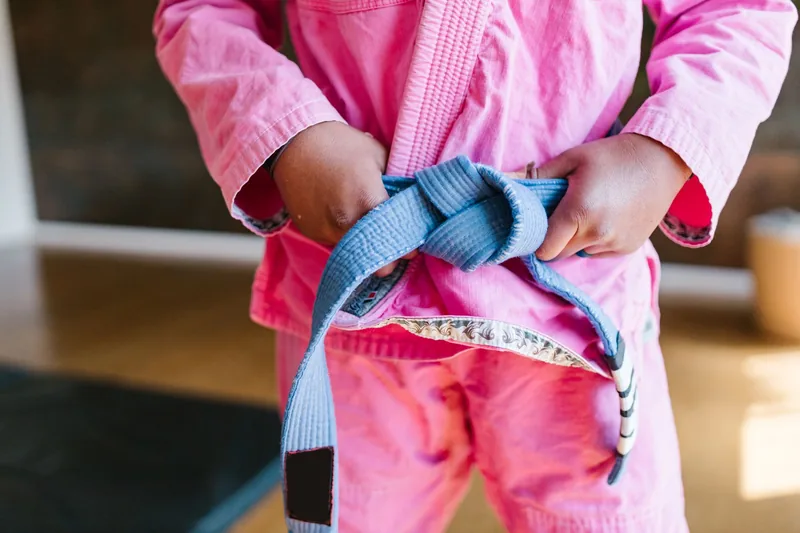
A belt is not simply a tally of how many kicks and punches a child has memorized. At a quality school, every promotion reflects growth across several areas at once: technical skill, yes, but also focus, self-control, respect, and the ability to perform under a little pressure. A white belt who learns to stand still, make eye contact, and follow an instruction is doing work that is every bit as real as a brown belt drilling an advanced form.
That fuller definition is exactly why belt ranks matter to parents and not just kids. The same habits a child builds chasing a belt — setting a goal, practicing when it’s hard, and respecting a coach — are the habits that show up at the dinner table and in the classroom. Our belt standards mirror the curriculum the Spillmann family has refined over more than 33 years of teaching martial arts; you can see the full progression on the GMA martial arts belt ranking system.
Why the Belt System Keeps Kids Motivated
Most kids struggle to stay motivated toward a goal that’s months or years away. The belt system solves that beautifully. Instead of one distant finish line, your child sees a ladder of achievable rungs, and every stripe or new belt is concrete proof that effort pays off. That visible, earned progress is powerful — it teaches children that they are capable of growth, and it builds the kind of confidence that doesn’t wash off.
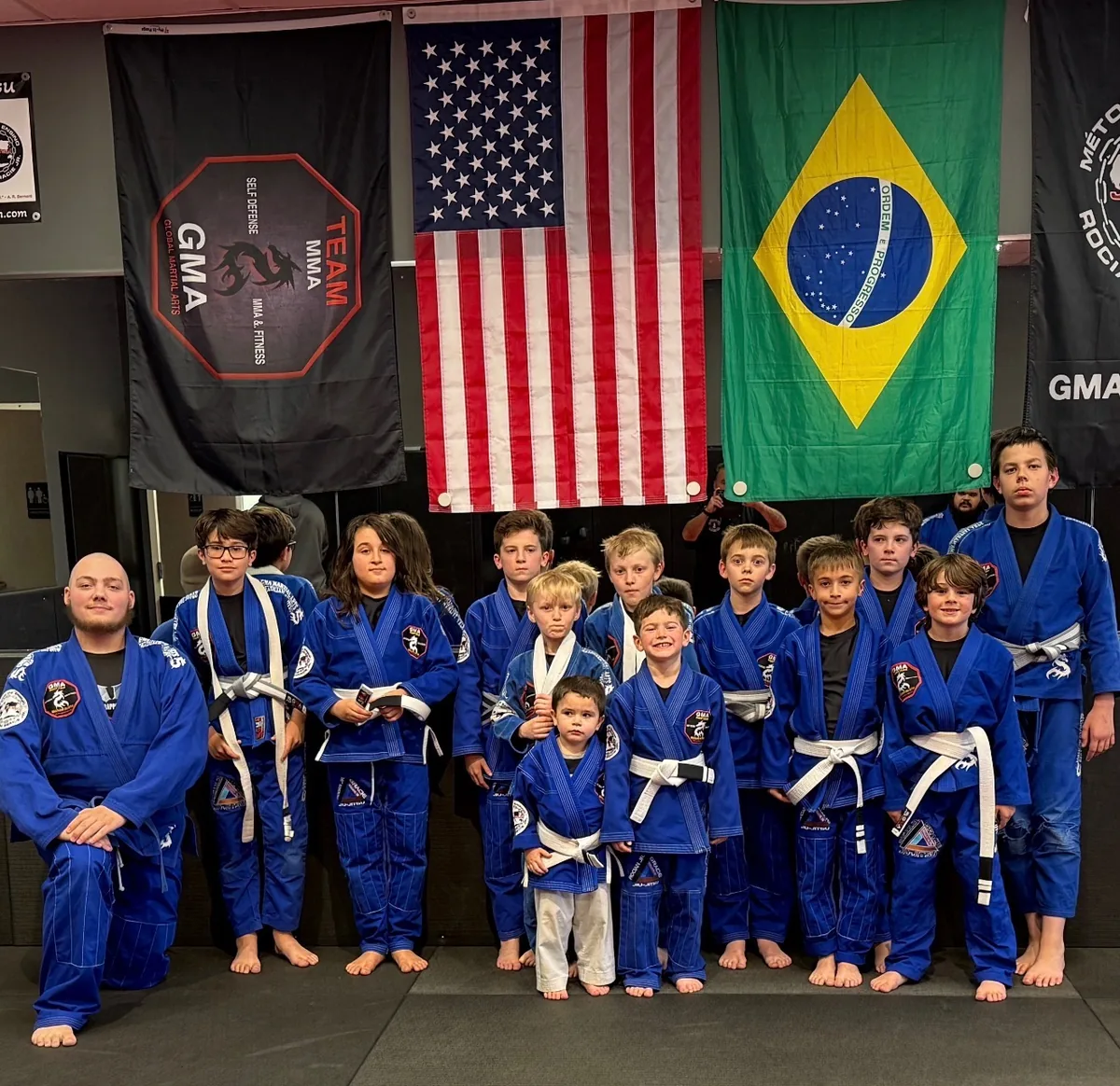
There’s also a healthy social side. Belts create a clear, respectful structure where more advanced students naturally help newer ones, and where every child can celebrate a friend’s promotion. For a lot of kids, the belt around their waist is the first goal they’ve ever truly owned — and earning it changes how they see themselves.
How Belt Testing Works (and Why No Child Is Set Up to Fail)
Belt promotions are earned through testing, where a student demonstrates the techniques and knowledge required for the next rank. Tests do carry a bit of pressure, and that’s intentional — learning to prepare, focus, and perform when it counts is one of the most valuable lessons martial arts offers. But here’s the part that reassures nervous parents: a good instructor never invites a child to test before they’re ready.
By the time a student steps onto the mat for a belt test, the hard work is already done. The test becomes a celebration of weeks of practice rather than a high-stakes gamble. Our certified, background-checked instructors prepare each child individually, so kids walk in nervous-excited and walk out proud. That experience — rising to a challenge in a supportive room full of people cheering for you — is something many children carry far beyond Gallatin and far beyond martial arts.
Belt Ranks in Our After School Program
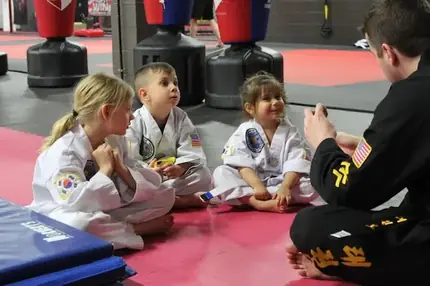
Here’s what surprises a lot of families: at GMA, your child can earn real martial arts belts as part of our after school program. Physical education through martial arts is included free — it’s not billed as a separate class — so while your child is in our care after the school bell rings, they’re also building skills, character, and a genuine path of progress. It’s a big part of why our after school program isn’t just babysitting.
For parents, that combination is hard to beat: safe, structured supervision in our 6,000 sq ft, peanut-free campus, plus the confidence, focus, and discipline that come from working toward the next belt. Your child isn’t just waiting for you to get off work — they’re growing.
See the Belt System in Action
Schedule a free consultation and tour our 6,000 sq ft campus in Gallatin, TN. Watch a class, meet our instructors, and see why families across Sumner County choose GMA.
Book a ConsultationOr call us at (731) 324-3850
Frequently Asked Questions
Belt colors mark a child’s progress from beginner to advanced. Most schools start at white belt and move through a sequence of colors that generally darkens with rank, ending at black belt. Each color represents a new level of skill, knowledge, focus, and discipline the student has demonstrated. For younger kids, many programs add stripes or intermediate ranks so there is always a near-term goal to work toward.
For most students, reaching black belt is a multi-year journey, commonly several years of consistent training. The rank represents mastery, maturity, and the ability to lead and teach others, not just time on the mat, so the pace depends on how regularly a child trains and how they grow along the way.
No. Every student begins at white belt with no experience needed. At GMA in Gallatin, TN, our background-checked instructors meet each child where they are and build skills step by step, so beginners and shy kids start exactly where they should.
Belt testing involves a healthy amount of pressure, which is part of the point, but children are never set up to fail. Instructors only invite a student to test once they are ready, and the test becomes a celebration of work already done. That experience teaches kids to prepare, perform, and handle nerves in a supportive setting.
Yes. At GMA, physical education through martial arts is included free in our after school program, and your child can earn real belt ranks as part of their day, not as a separate paid class. They get character development and a clear path of progress while in our care.