
Most parents in Gallatin describe the same homework battle: kid gets home tired, parent gets home tired, the worksheet sits on the kitchen counter, and by 8:30 PM everyone's frustrated. Quality afterschool homework help changes that — but only if the program does it right. At GMA After School, we build a dedicated homework block into every afternoon, staff it with adults who know how to teach, and follow one rule above all else: we don't do the work for them. Here's exactly how that plays out from 3:45 to 4:30 PM each day.
What Afterschool Homework Help Actually Means at GMA
"Homework help" can mean a lot of things at different programs. At some, it means a teenager glances at a worksheet and circles the wrong answers in pen. At others, it means kids sit in a noisy room with no one paying attention to what they're actually doing. Neither is what parents are paying for, and neither is what kids deserve.
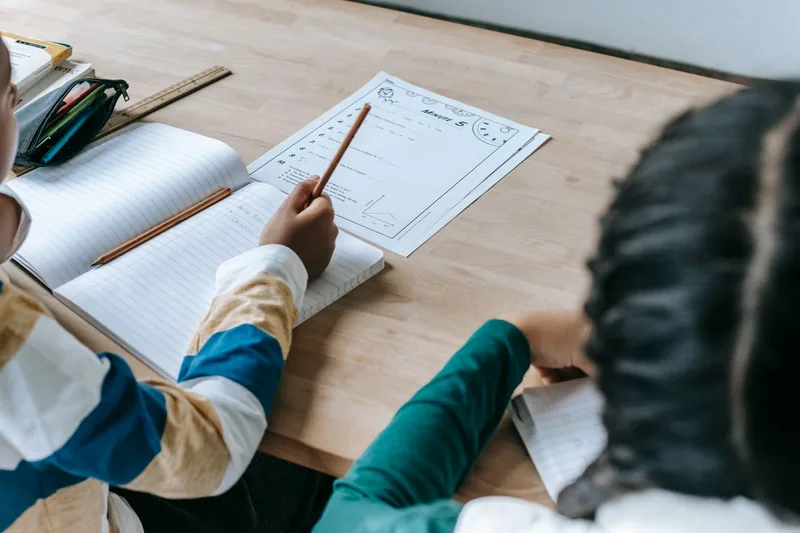
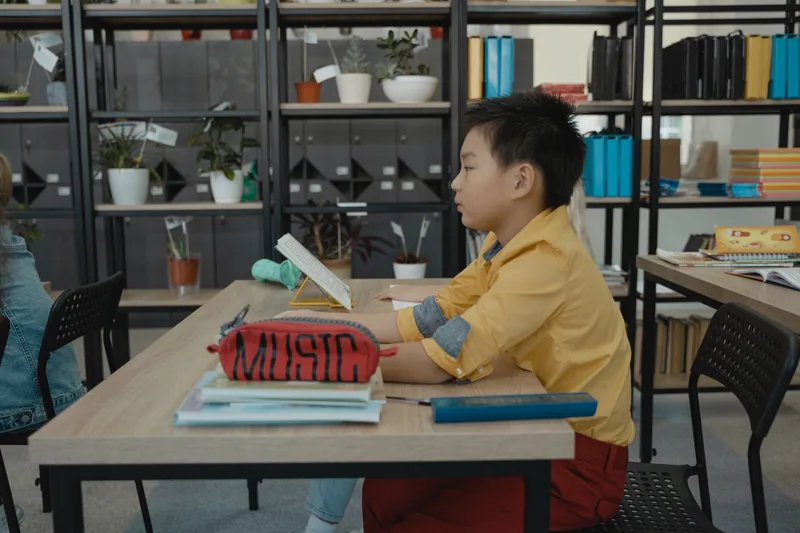
At GMA, our homework support follows a specific structure. Every afternoon includes a quiet, 45-minute block where every student sits down, gets out their backpack, and works on what their teacher assigned. Staff circulate through the room — answering questions, walking through example problems, checking completed work, and gently redirecting kids who try to drift. The goal is not to finish fast. The goal is for your child to leave each day with the assignment done and the concept understood.
The 45-Minute Homework Block: How It Works
Research from the Afterschool Alliance is clear on this: children in structured after school programs are significantly more likely to complete their homework, retain what they learn, and develop better study habits. Most quality programs dedicate 30 to 60 minutes per day to it. We chose 45 because it's long enough to settle in and finish real work, but short enough that elementary-age kids stay focused without burning out.
The block starts at 3:45, after snack time and a brief mental reset. Students settle into their seats with their assignments in front of them. The room is quiet — not silent, but quiet. Staff walk the aisles like a teacher would, scanning for kids who are stuck, kids who are off-task, and kids who finished too quickly to have actually thought about the work.
For kids in different grade levels, the support looks different. A second-grader might need help sounding out spelling words. A fifth-grader might be wrestling with long division. A middle schooler might be drafting a paragraph about a book they didn't read carefully. Our 16+ certified, background-checked staff have experience across all of it — and when something genuinely stumps a student, there's always another adult in the room with a different angle on the problem.
Why We Don't Do the Work For Them
This is the rule we hold most firmly: we don't hand kids the answers. The reason isn't philosophical — it's practical. A child who turns in correct answers without understanding the material isn't learning anything. They're memorizing a fake skill. The next test will expose the gap, and by then they're behind.
So when a student raises a hand and asks, "How do I do this?", staff respond with questions instead of answers. What did your teacher say about this in class? What's the first thing you'd try? Can you walk me through what you've done so far? The point is to get the child thinking out loud, find where they're stuck, and prompt them past that exact stuck point — not skip them ahead to the finish line.
The result is uncomfortable at first for some kids. Children who are used to a parent rescuing them mid-problem need a few sessions to adjust to being asked to think it through themselves. But within a couple of weeks, almost every student starts approaching new problems differently. They try one thing, then another, before raising a hand. That shift — from helplessness to attempt — is the real win.

The Martial Arts Connection: Why Report Cards Matter
Here's something most after school programs don't do: we tie academic effort directly to martial arts advancement. Report cards are part of the criteria for moving up in rank at GMA. A student whose grades slip doesn't get to test for their next belt, no matter how good their kicks look on the mat.
That connection between effort in the classroom and visible progress on the floor is one of the most powerful tools we have. Kids who are bored by school work but excited by belt promotions suddenly have a concrete reason to take their homework seriously. Parents tell us regularly that their child's academic motivation goes up within a few weeks of enrolling — not because we lectured them, but because they saw the link themselves. If you're new to how the belt ranking system works, the main gym has a full breakdown.
Beyond the Block: Tutoring and Homeschool Options
Most students get everything they need from the daily 45-minute block. But not every child. If your kid is genuinely behind in a subject — far enough that group support isn't enough — we offer private one-on-one tutoring sessions at $30 to $40 per hour. These run 45 minutes each and are scheduled separately from the regular program. Topics range from reading intervention to algebra prep to study skills for older students.
If academics are a bigger concern and the standard public school day isn't working at all, our hybrid homeschool program is worth a closer look. It pairs accredited curriculum with the same character development, physical education, and structured support that makes our after school program work — just across the full school day. Families across Sumner County have moved their kids from public school to our hybrid model for exactly this reason.
For a fuller picture of how the afternoon flows around homework time, our day-in-the-life walkthrough covers everything from school pickup through parent pickup. Or, if you're brand new to the program and want to know what an actual first day looks like, our first-day guide has you covered.
Tired of the Kitchen-Table Homework Battle?
Schedule a free consultation, tour our 6,000 sq ft campus in Gallatin, TN, and see the homework block in action. Most parents tell us the evening at home gets quieter within the first week.
Book a ConsultationOr call us at (731) 324-3850 — see our full school pricing.
Frequently Asked Questions
How long is the homework block at GMA's after school program?
Every afternoon includes a dedicated 45-minute homework and tutoring block from 3:45 to 4:30 PM, with staff circulating to answer questions and check work. Kids who finish early move to quiet enrichment — reading, journaling, or educational games. No one sits idle and no one reaches for a screen.
Do GMA staff actually do the homework for the kids?
No. Our role is to guide, prompt, and check — not to hand kids the answers. Staff ask leading questions, walk through example problems, and verify completed work. The goal is for your child to leave with the work done and the concept understood, not just a worksheet filled in.
What if my child needs more help than the homework block provides?
Private one-on-one tutoring sessions are available separately at $30 to $40 per hour. These 45-minute sessions are designed for students who need deeper academic support — whether they're behind in a subject, preparing for a test, or working on advanced material. Speak with the front desk to schedule.
Do report cards affect martial arts advancement at GMA?
Yes. Academic effort is built into the advancement criteria for our martial arts program. Students who let their grades slip don't move up in rank. That connection gives kids a real reason to take homework seriously — and most parents tell us their child's academic motivation goes up within a few weeks of enrolling.