
Every parent knows the feeling: school’s out, the afternoon stretches ahead, and within minutes a tablet or phone has quietly absorbed your child. You’re not imagining it — the research backs you up, and it’s why so many families are hunting for real screen time alternatives for kids that actually stick. The good news is that the science points to a clear answer, and it isn’t about confiscating devices or fighting a daily battle. It’s about replacing empty screen hours with something better: active time. Here’s what the research says, and how to make active time the easy default in your home in Gallatin, TN.
What the Research Actually Says About Screen Time
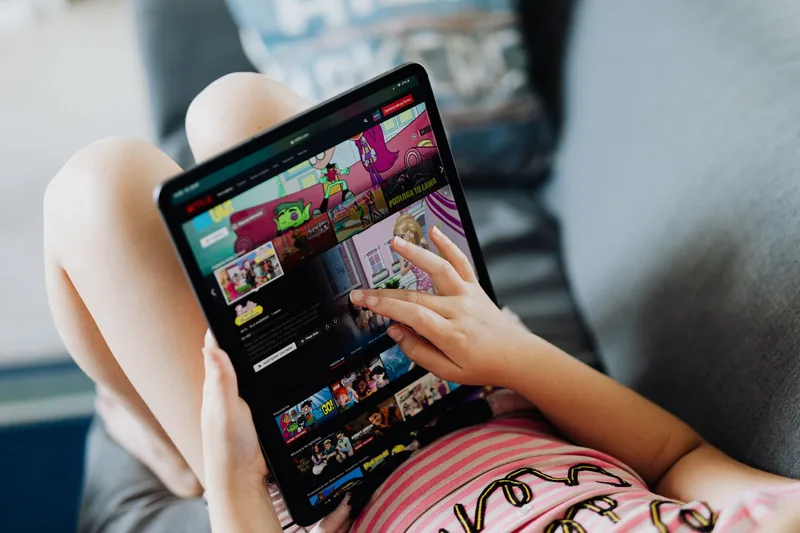
The numbers are sobering. Children ages 0–8 now average about two and a half hours of screen time a day, tweens land between five and six hours, and teens often exceed seven to nine. There’s also a striking gap between intention and reality: surveys find parents believe roughly nine hours a week is ideal, while kids actually rack up around 21 — more than double.
What matters most isn’t just the total — it’s what those hours push out. The American Academy of Pediatrics has shifted away from rigid time limits toward a simpler principle: screens shouldn’t displace sleep, physical activity, family time, or free play. And the data shows exactly how that displacement happens. Among kids ages 12–17, the share meeting daily activity goals fell from 70% among those with two hours or less of screen time to just 54% among those with four hours or more. Children with two or more hours of daily screen time also carry a meaningfully higher risk of becoming overweight.
Why Active Time Wins — and What Counts
Health experts recommend that school-age children get at least 60 minutes of moderate-to-vigorous physical activity every single day. That hour does far more than burn energy. Active time improves focus and sleep, lifts mood, builds coordination and strength, and gives kids a sense of accomplishment that a passive screen never delivers. The challenge for most working families isn’t knowing this — it’s building 60 reliable minutes into an afternoon that already feels too short.
That’s the real reason screens win by default. When the hours between dismissal and dinner have no plan, the device becomes the path of least resistance. The most effective screen time alternatives for kids aren’t just “fun” — they’re structured, social, and active enough that a child stays engaged instead of drifting back to a screen. Martial arts is one of the strongest examples, which is part of why we build our program around it rather than babysitting.
Screen Time Alternatives for Kids That Actually Stick
The activities that reliably beat screens share three traits: they get kids moving, they involve other people, and they have enough structure that a child can’t quietly opt out. A few that work:
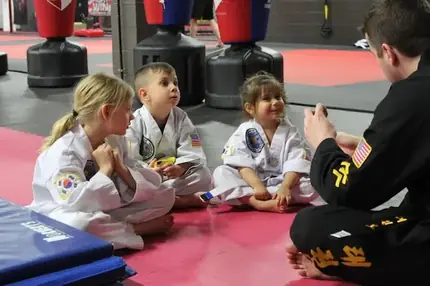
- Martial arts. Movement, discipline, and visible progress through belt ranks — deeply engaging and rarely something a child wants to skip.
- Team and group games. The social pull keeps kids in the activity far longer than solo play.
- Outdoor and free play. Unstructured time outside remains one of the best resets for an overstimulated brain.
- Hands-on projects. Arts, crafts, and building activities give the brain a screen-free creative outlet.
- Focused homework time. Getting schoolwork done in a calm, supervised block frees the evening for movement and family — instead of homework competing with screens after dinner.
If you want the deeper case for movement specifically, our parents often pair this with our honest guide to whether martial arts is safe for kids and the broader research on the benefits of martial arts for kids and adults. The throughline is the same: the most durable alternative to a screen is an activity a child genuinely looks forward to.
How GMA Turns the After-School Hours Into Active Time
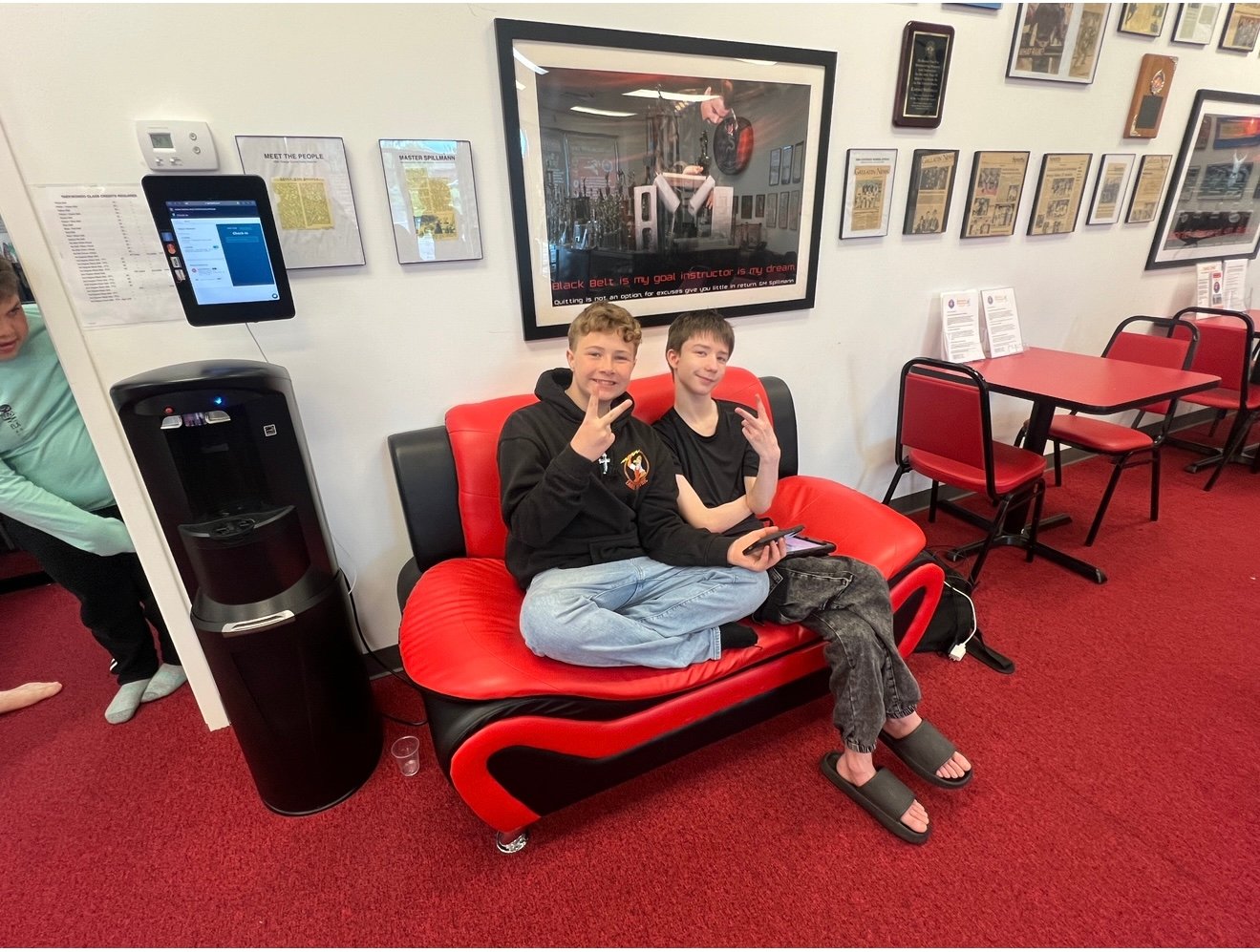
The single highest-screen window in a child’s day is the stretch between school letting out and a parent getting home — and that’s exactly the window our after school program is built to fill. We pick kids up from 14 local schools across Gallatin and Sumner County and bring them to our 6,000 sq ft, peanut-free campus, where the afternoon has a real plan: a snack, focused homework help, and physical education through martial arts included free with every enrollment. By the time your child gets home, they’ve already logged real active time, finished much of their homework, and connected with friends — not scrolled.
Because the same certified, background-checked instructors lead the martial arts every day, that active hour is consistent rather than catch-as-catch-can. It’s the core of how all our programs blend academics, movement, and character — the result of more than 33 years of youth development from the Spillmann family, and part of why families voted GMA Best in Sumner County in 2024 and 2025. When school’s out for the summer, our camps carry the same active, screen-light rhythm through the longest stretch of the year.
You don’t have to win the screen-time fight on willpower alone. The most reliable way to shrink screen time is to give kids a better place to spend the hours that screens usually claim — and to make that place active, social, and consistent. That’s the whole idea behind active time, and it’s what your child experiences every afternoon at GMA.
Give Your Child a Screen-Free Afternoon
Schedule a free consultation and tour our 6,000 sq ft campus in Gallatin, TN. See how GMA fills the after-school hours with movement, homework help, and martial arts — not screens.
Book a ConsultationOr call us at (731) 324-3850
Frequently Asked Questions
The American Academy of Pediatrics now focuses less on a hard number and more on balance: screens shouldn’t crowd out sleep, physical activity, family time, or free play. For school-age children, that generally means keeping recreational screen time to around two hours a day and making sure kids still get at least 60 minutes of active movement. The clearest warning sign isn’t the clock — it’s when screens start replacing the things that build a healthy childhood.
The best screen time alternatives for kids are activities that are active, social, and structured enough that a child can’t simply drift back to a device. Martial arts, team games, outdoor play, hands-on projects, and supervised homework time all work well. The key is having a plan for the after-school hours so the default isn’t a screen. A structured after school program does this automatically by filling the afternoon with movement, learning, and friendships.
Yes. The hours between the final school bell and a parent getting home are when screen time tends to pile up. A quality after school program replaces those hours with supervised, active alternatives — at GMA in Gallatin, TN, that means homework help, physical education through martial arts, and character-building activities, so a child gets home already active and accomplished instead of having spent the afternoon on a screen.
Health experts recommend that children and teens get at least 60 minutes of moderate-to-vigorous physical activity every day. Research shows that as screen time climbs, kids are far less likely to hit that mark — which is why building reliable active time into a child’s daily routine matters so much. GMA’s after school program includes daily martial arts so kids meet a meaningful share of that 60 minutes before they even get home.