You’ve heard the benefits — discipline, confidence, fitness. But somewhere in the back of your mind, one question keeps surfacing: is martial arts safe for kids? It’s a fair concern. You’re considering a program where punching and kicking are part of the curriculum, and that deserves an honest answer — not a sales pitch.
At GMA Academy in Gallatin, TN, we’ve taught martial arts to children for over 33 years. We’ve heard this question from hundreds of parents. Here’s what we tell every one of them — and what the research actually supports.
What the Research Says About Martial Arts Safety for Kids
The American Academy of Pediatrics has studied youth participation in martial arts extensively. The finding that surprises most parents: traditional martial arts training has lower injury rates than soccer, basketball, and football. Most injuries that do occur are minor — bruises and sprains, not the dramatic scenarios you might picture.
The critical distinction is between traditional martial arts (TaeKwonDo, Brazilian Jiu Jitsu, Karate) and competitive MMA. Traditional disciplines focus on technique, form, and controlled practice. Competitive MMA emphasizes full-contact sparring. They’re fundamentally different activities with fundamentally different safety profiles.
When parents ask whether martial arts is dangerous, they’re usually picturing UFC highlights — not a structured kids’ class where students practice forms, learn self-control, and bow to their instructor before stepping on the mat.
Why the Instructor Matters More Than the Sport
A soccer program with careless coaching produces injuries. A martial arts program with excellent coaching produces safe, confident athletes. The variable isn’t the activity — it’s the instruction.
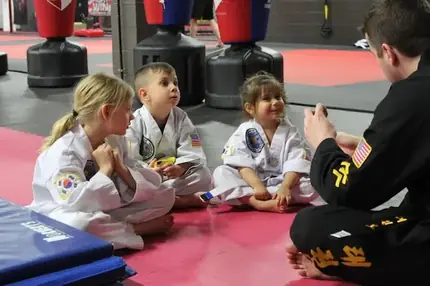
GMA’s instructors include Kukkiwon certified TaeKwonDo masters and IBJJF registered Jiu Jitsu coaches with decades of experience teaching children. Every staff member is background-checked, CPR and First Aid certified, and trained specifically in youth development. Our Director of Child Development holds a B.S. in Child Development and has 16+ years of hands-on experience working with children of all ages and abilities.
When you’re evaluating whether martial arts is right for your child, the real question is: who’s teaching them? The credentials, experience, and teaching philosophy of the instructors determine everything.
How GMA Keeps Every Child Safe During Training
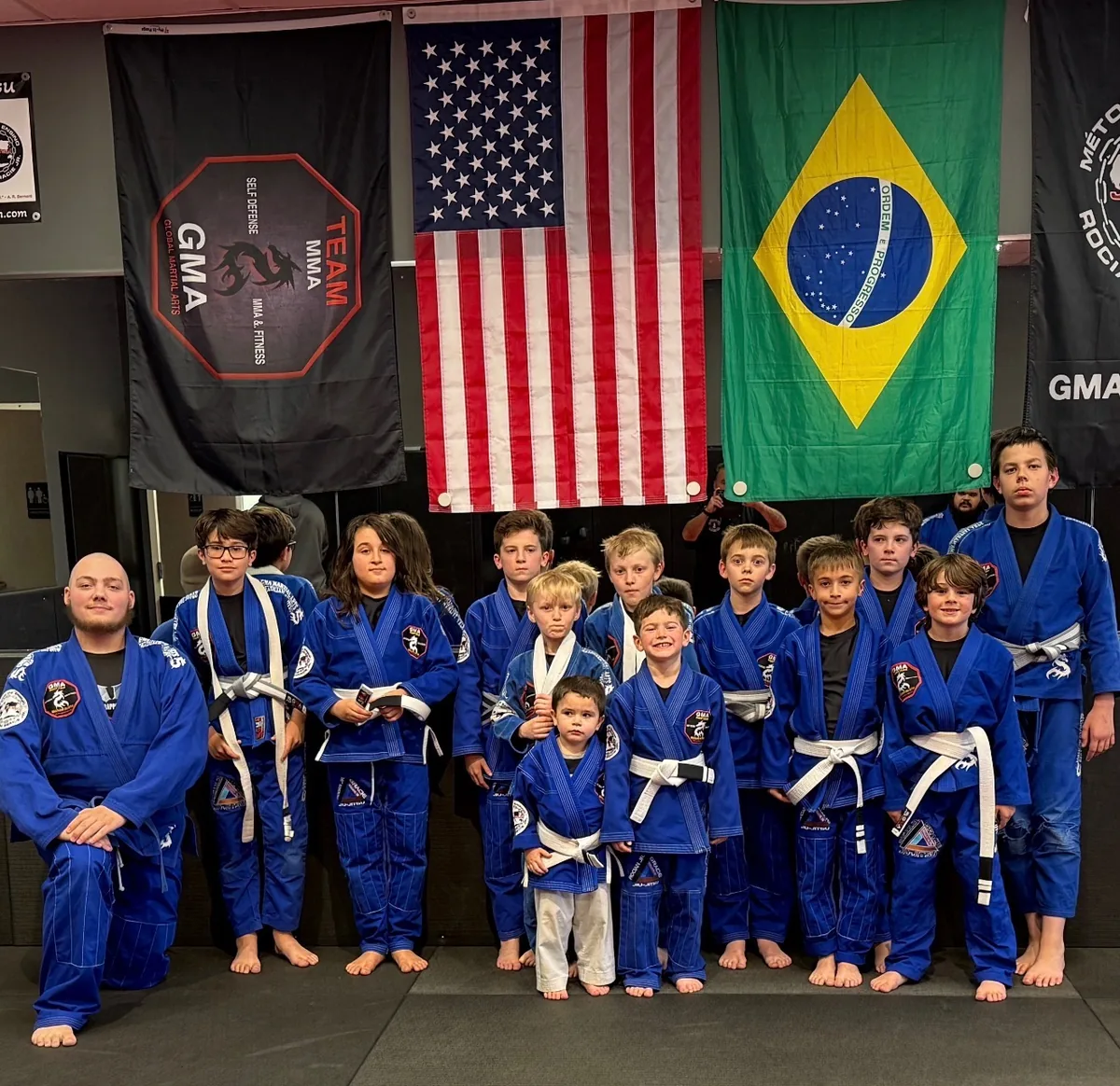
Safety isn’t something we add on top of our programs — it’s built into the foundation. Here’s what that looks like in practice at our Gallatin, TN campus:
- Age-appropriate curriculum: A 6-year-old and a 12-year-old don’t train the same way. Our curriculum adapts to each student’s age, size, and skill level.
- Progressive contact model: New students start with forms, drills, and technique. Light contact comes only after demonstrated readiness. Full sparring requires advanced rank and instructor approval.
- Certified instructors on every mat: No student trains without a qualified instructor present. Our staff-to-student ratios ensure every child receives individual attention.
- 16+ background-checked staff: Every team member passes comprehensive background checks. We take the trust parents place in us seriously.
- 6,000 sq ft professional facility: Our campus at 509 Garnet Ct features padded training areas, climate control, and a peanut-free environment.
- Red Cross Medical Assistant on-site: If something does happen — a rolled ankle, a bumped shin — trained medical staff respond immediately.
We covered our full safety approach in a previous post about how our after school program keeps kids safe. The same standards apply to every martial arts session.
The Benefits That Make It Worth It
The safety question matters, but it’s incomplete without the other side: what does your child actually gain?
Research consistently shows that martial arts builds measurable improvements in balance, coordination, and physical fitness. But the less visible benefits run deeper. Kids who train in structured programs develop self-discipline, emotional regulation, and respect for others. They learn to set goals, earn advancement through effort, and handle both success and failure with composure.
At GMA, we see these changes every week. The shy kid who couldn’t make eye contact at their first assessment is leading warmups three months later. The student who struggled to sit still during homework block is focused and self-directed by the end of the semester.
Martial arts is included free with every after school enrollment — it’s not an add-on or an extra charge. Discipline, confidence, and physical fitness develop alongside academics, homework help, and leadership training. Every afternoon, every student.
How to Evaluate Any Martial Arts Program’s Safety
Whether you choose GMA or another program, here’s what to look for when evaluating safety:
- Ask about instructor certifications. Legitimate credentials (Kukkiwon, IBJJF, USA Taekwondo) matter. Ask to see them.
- Watch a class before enrolling. Observe how instructors manage the room, correct technique, and handle student frustration. The culture on the mat tells you everything.
- Ask about the contact policy. Programs that throw beginners into sparring on day one are a red flag. Progressive contact is the standard.
- Check staff-to-student ratios. Your child should never be training unsupervised or in an overcrowded class.
- Look at the facility. Padded floors, clean equipment, proper ventilation, and visible safety protocols are non-negotiable.
At GMA, we welcome parents to observe any class. We encourage a free consultation and campus tour before enrollment — because seeing the environment firsthand answers questions no website can.
Ready to See It for Yourself?
Book a free consultation and tour our 6,000 sq ft campus in Gallatin, TN. See firsthand why families across Sumner County choose GMA Academy.
Book a ConsultationOr call us at (731) 324-3850
Frequently Asked Questions
At GMA Academy, children can begin training at age 5. Our curriculum is designed for ages 5–17, with age-appropriate instruction at every level. Younger children focus on coordination, listening skills, and basic movements before progressing to more advanced techniques.
Minor bumps and bruises can happen in any physical activity, including martial arts. Serious injuries are rare in structured programs. GMA uses a progressive contact model — new students train without contact until they demonstrate readiness. Our certified instructors supervise every session.
No. Sparring is optional at GMA and only available to students who have reached a certain belt rank and demonstrated the maturity and skill to participate safely. Most of our training focuses on forms, drills, and technique work.
We accommodate children of all abilities. During your free consultation, our team assesses fit and creates a training plan tailored to your child’s needs. Our Director of Child Development has over 16 years of experience working with children of all abilities.
Traditional martial arts like TaeKwonDo and Brazilian Jiu Jitsu emphasize technique, discipline, and controlled practice. MMA (Mixed Martial Arts) emphasizes competition and full contact. GMA teaches traditional disciplines with a focus on character development, not competition.