
Bullying is near the top of almost every parent’s worry list, and it’s easy to see why: it can quietly reshape how a child sees themselves. So when parents hear about the martial arts anti-bullying effect, the promise is compelling — sign your child up, and they’ll never be pushed around again. The truth is more interesting and more honest than that slogan. Martial arts really can make a child far less likely to be bullied, and less likely to bully others — but not for the reason most people assume, and only when the program is run the right way. Here’s what the research actually shows, and how we put it to work every afternoon at GMA in Gallatin, TN.
What the Research Says About the Martial Arts Anti-Bullying Effect
The evidence here is genuinely encouraging, and we’d rather give you the real version than the marketing one. Studies of martial arts–based anti-bullying programs in schools — including a well-known program called the Gentle Warrior — have found that kids who participated more often reported lower aggression over time and were more likely to step in and help a classmate who was being picked on. Strikingly, researchers found that much of the benefit was explained not by fighting ability but by a rise in empathy. The training made kids care more, and caring more changed how they behaved.
Now the honest caveat: anti-bullying efforts in general have a mixed track record, and a few studies of various programs have shown little change or even the wrong direction. The martial arts approach is one of the more promising, but it is not automatic. The deciding factor is almost always quality — whether the program builds character and empathy or just teaches kids to hit harder. That distinction is everything, and it’s the same reason we’re candid with parents in our honest guide to whether martial arts is safe for kids.
Why Bullies Pick Certain Kids — and How Training Changes That
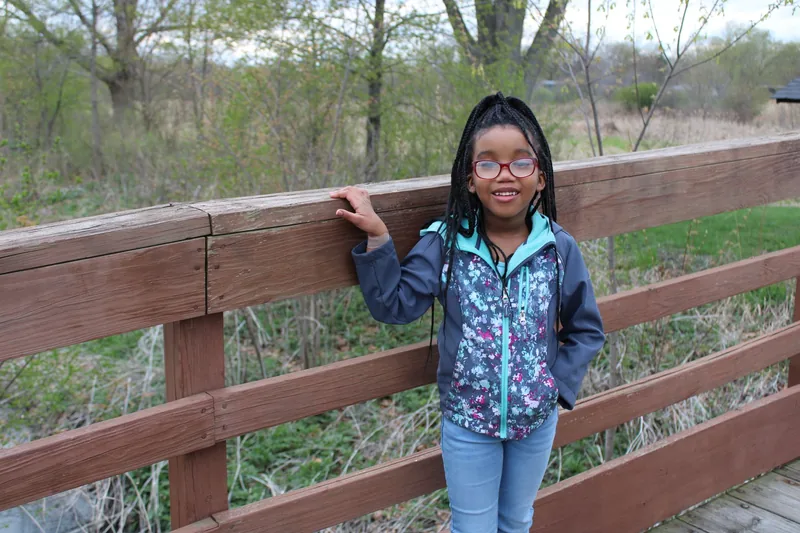
Bullies are, above all, opportunists. Research on peer aggression consistently finds that they screen for kids who look like low-risk targets: shoulders rolled forward, eyes down, a small or shaky voice, and often a child who seems to be standing alone. It’s rarely about how big a kid is — it’s about the signals they send.
This is where martial arts does its quietest and most powerful work. Long before a child ever needs a physical skill, the training rewrites those signals. Weeks of practicing a solid stance, holding eye contact with an instructor, and answering with a clear, firm voice add up to a child who simply carries themselves differently. To a bully scanning for an easy mark, that changed posture reads as “not worth it,” and most of the time the situation never begins. It’s the same engine behind why martial arts builds confidence in kids — a child with real, earned self-assurance is a much harder target.
The Skills That Actually Stop Bullying (Hint: Not Punches)
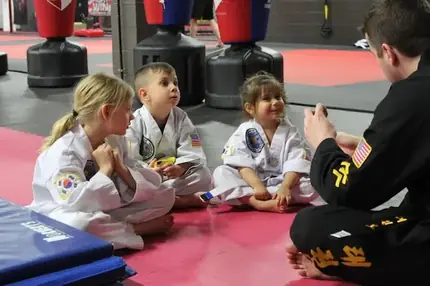
Parents are sometimes surprised to learn that the most useful anti-bullying tools a child picks up in class are almost never physical. A well-run program spends the bulk of its time teaching kids how to avoid a fight, not win one. The skills that do the heavy lifting look like this:
- An assertive voice. Kids practice saying “Stop — leave me alone” firmly and calmly, which often defuses a bully looking for an easy emotional reaction.
- Walking away and telling. Students learn that removing themselves and reporting to a trusted adult is a sign of strength, not weakness — a lesson that undoes the “don’t be a tattletale” myth.
- De-escalation and self-control. The discipline to stay calm when provoked is trained on the mat every day, and it’s exactly what keeps a tense moment from turning into a fight.
- Empathy and the courage to help. Because training builds empathy, kids become the classmates who stand up for someone else — the single most powerful force for stopping bullying in a school.
- Physical confidence as a last resort. Genuine self-defense skill exists in the background so a child knows they could protect themselves, which paradoxically makes them calmer and less likely to ever need it.
That last point matters, so we say it plainly: real martial arts frames physical technique as an absolute last resort, used only to stay safe. Parents who want to see how that self-protection piece is taught responsibly can explore the kids self-defense program at Global Martial Arts USA, which sits behind everything we do on the after-school side.
How GMA Builds the Anti-Bullying Effect Every Afternoon
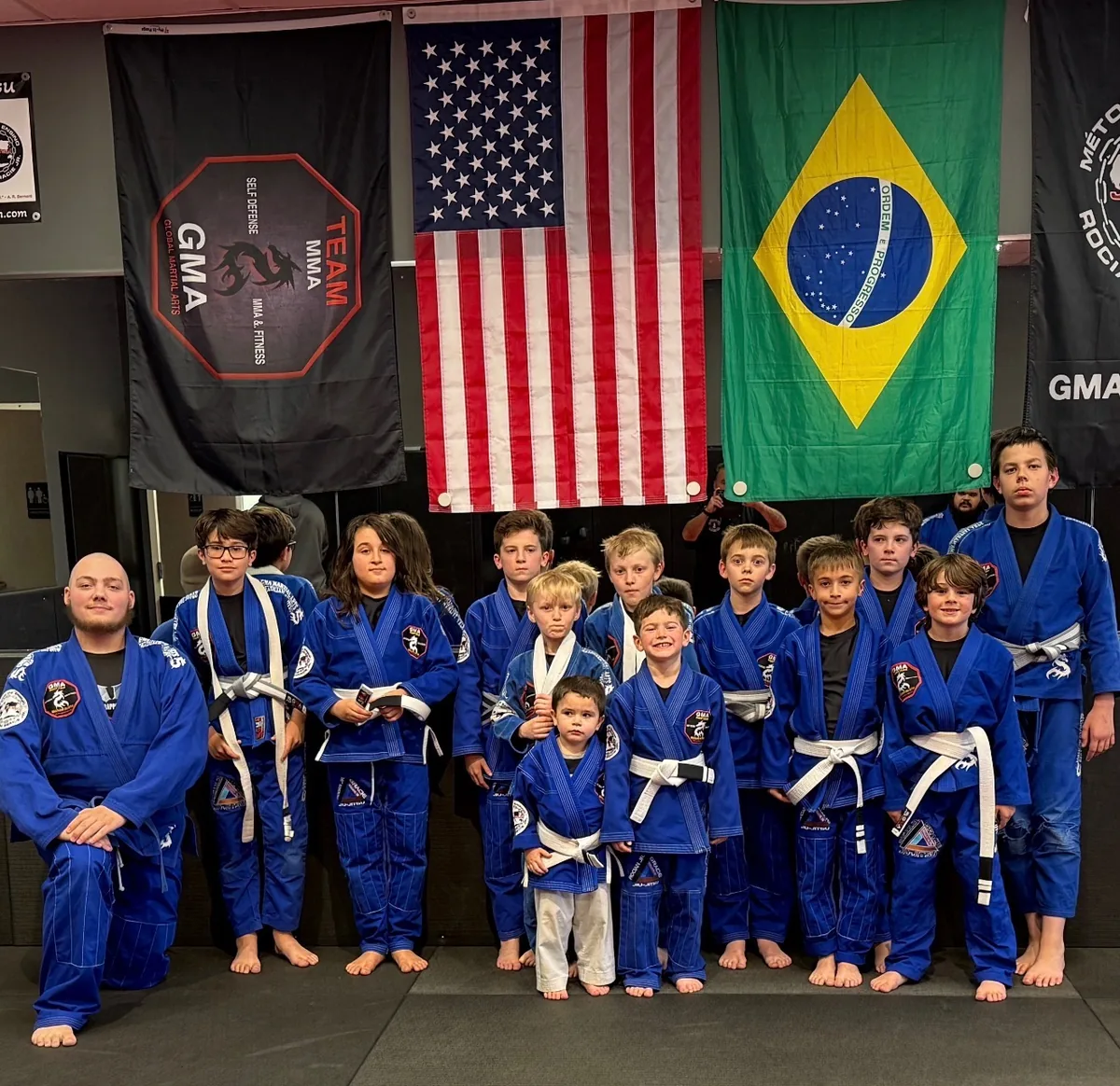
The research is clear that the anti-bullying effect grows with consistent, high-quality participation — and that’s exactly how our program is built. At GMA, martial arts isn’t a once-a-week add-on; it’s woven right into the after-school day. We pick kids up from 14 local schools across Gallatin and Sumner County and bring them to our 6,000 sq ft campus, where physical education through martial arts is included free with every enrollment. That means empathy, self-control, and confident body language get practiced nearly every single afternoon, led by certified, background-checked instructors who know each child by name.
Just as important is the culture. GMA runs a strict bully-free zone, and our whole approach — more than 33 years of youth development from the Spillmann family, and a program voted Best in Sumner County in 2024 and 2025 — is built on respect and character first. You can see how that philosophy shapes our programs and the way our after school program uses martial arts to develop the whole child rather than just burn off energy. And because the same active, structured hours that build these skills are the hours that replace passive screen time, this pairs naturally with our take on screen time versus active time.
No program can promise your child will never encounter a bully. But a good one can change the odds dramatically — giving a child the posture, the words, the self-control, and the empathy that keep most conflicts from ever starting, and the quiet confidence to walk through the school day standing tall.
Help Your Child Stand Tall
Schedule a free consultation and tour our 6,000 sq ft campus in Gallatin, TN. See how GMA builds confidence, empathy, and self-control through martial arts, homework help, and character building — every afternoon.
Book a ConsultationOr call us at (731) 324-3850
Frequently Asked Questions
The research is encouraging but honest about its limits. Studies of martial arts–based anti-bullying programs have found lower aggression and more kids willing to stand up for a victim, with much of the effect explained by rising empathy — not fighting skill. It works best when the program is high-quality and character-focused. Martial arts is not a magic switch, but a well-run program consistently makes kids less likely to be targeted and less likely to bully others.
A good program does the opposite. Real martial arts spends far more time on self-control, respect, and de-escalation than on striking, and students are taught that physical technique is an absolute last resort used only to stay safe. Because kids get a healthy, supervised outlet for energy and clear rules about when force is and isn’t acceptable, quality training tends to lower aggression rather than raise it.
Bullies tend to look for kids who read as easy targets — hunched posture, no eye contact, an unsteady voice. Martial arts quietly rewrites those signals, giving a child a taller stance, steadier eye contact, and a calm, firm voice. Paired with practiced skills like walking away, using an assertive verbal response, and telling a trusted adult, that changed body language often stops a bully before anything physical happens.
Most children can begin around age 5, once they can follow directions and focus for short blocks. At GMA in Gallatin, TN, martial arts is built into our after school program for ages 5 to 17, so the confidence, empathy, and de-escalation skills that reduce bullying are practiced every afternoon as part of a child’s routine rather than in a single weekly class.