
Parents ask us some version of this question all the time: will martial arts help my child do better in school? It’s a fair thing to wonder before you add another activity to a busy week. The honest answer is more interesting than a simple yes. The research on martial arts and academic performance points to real benefits for focus, self-control and classroom behavior, which are the skills that make good grades possible. It doesn’t show that kicking drills magically raise test scores.
Here’s what the studies actually say, what they don’t, and how we connect the mat to the classroom at GMA in Gallatin, TN.
What the Research on Martial Arts and Academic Performance Says
The best-known study comes from psychologists Kimberley Lakes and William Hoyt. In 2004 they ran a school-based Tae Kwon Do program for elementary students and compared them with classmates who did regular physical education. After three months, the martial arts group improved more than the comparison group in cognitive and emotional self-regulation, prosocial behavior and classroom conduct. They also did better on a mental math test.
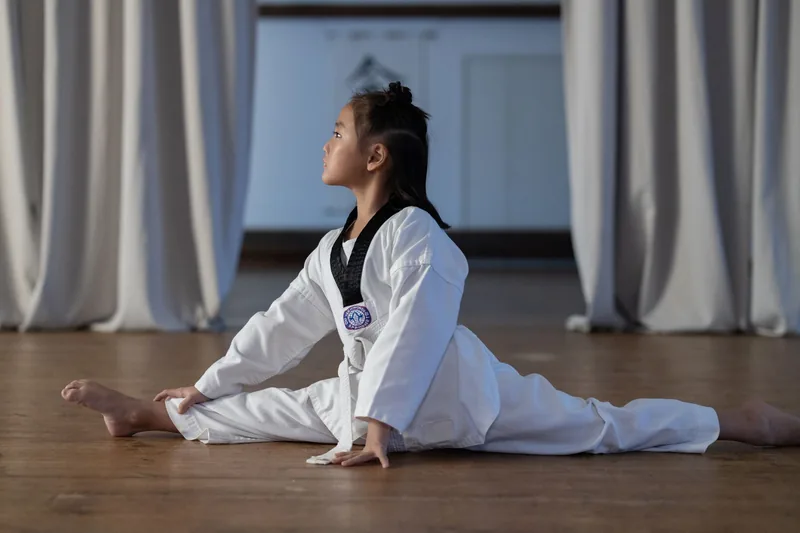
That last point gets quoted a lot, so it’s worth being precise. The math result was one measure in one study. The bigger finding was about self-regulation: kids got better at paying attention, controlling impulses and sticking with hard tasks. Teachers noticed the difference in how students behaved in class.
Exercise and School Performance: The Bigger Picture
Martial arts is also physical activity, and there’s a larger body of research on that. In 2010 the CDC reviewed 50 studies covering 251 links between school-based physical activity and academic outcomes. Just over half (50.5%) were positive, 48% showed no significant effect, and only 1.5% were negative. In other words, time spent moving rarely hurts grades and often helps, even when it means less time at a desk.
That matches what parents tell us. Kids who burn off energy after school tend to settle into homework more easily. We cover the activity side in more depth in our post on physical activity for kids.
Why Self-Control Matters for Grades
Researchers use the term “executive function” for the mental skills that let a child plan, focus, hold instructions in mind and resist distractions. In a widely cited 2011 review in Science, Adele Diamond and Kathleen Lee listed martial arts among the activities shown to aid executive function development in children ages 4 to 12, alongside things like aerobic exercise, mindfulness and certain school curricula. They also noted that kids who start with weaker executive function tend to gain the most.
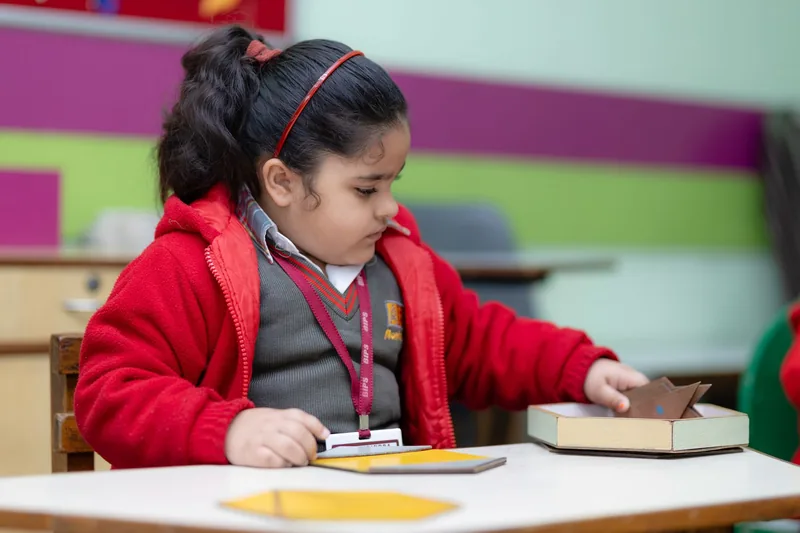
Think about what a martial arts class asks of a child. Stand still and listen. Remember a sequence of moves. Wait your turn. Try again after you mess up. Those are the same habits a teacher wants during a math lesson. Earning a new belt also teaches kids to work toward a goal over weeks, not minutes. Our guide to martial arts belt ranks shows how that progression works.
What Martial Arts Won’t Do
We’d rather be straight with you than oversell it:
- It isn’t tutoring. A strong class won’t teach fractions or fix a reading gap. Kids still need time and help with schoolwork.
- The research is still limited. Most martial arts studies are small and short. The evidence is strongest for focus and behavior, not report card grades directly.
- Quality matters. The benefits come from structure, clear expectations and good instructors. A loosely run class won’t build the same habits.
So the realistic promise is this: martial arts can help build the attention, self-control and confidence that make schoolwork easier. Pair it with real homework time and you get the best of both.
How We Connect Martial Arts and Academics in Gallatin, TN
That pairing is how our after school program is built. After school pickup and a snack, kids sit down for dedicated homework and tutoring time with staff support before any fitness starts. Only after that do they move into two structured fitness blocks, with martial arts physical education included free. You can read more about how we help kids with homework.
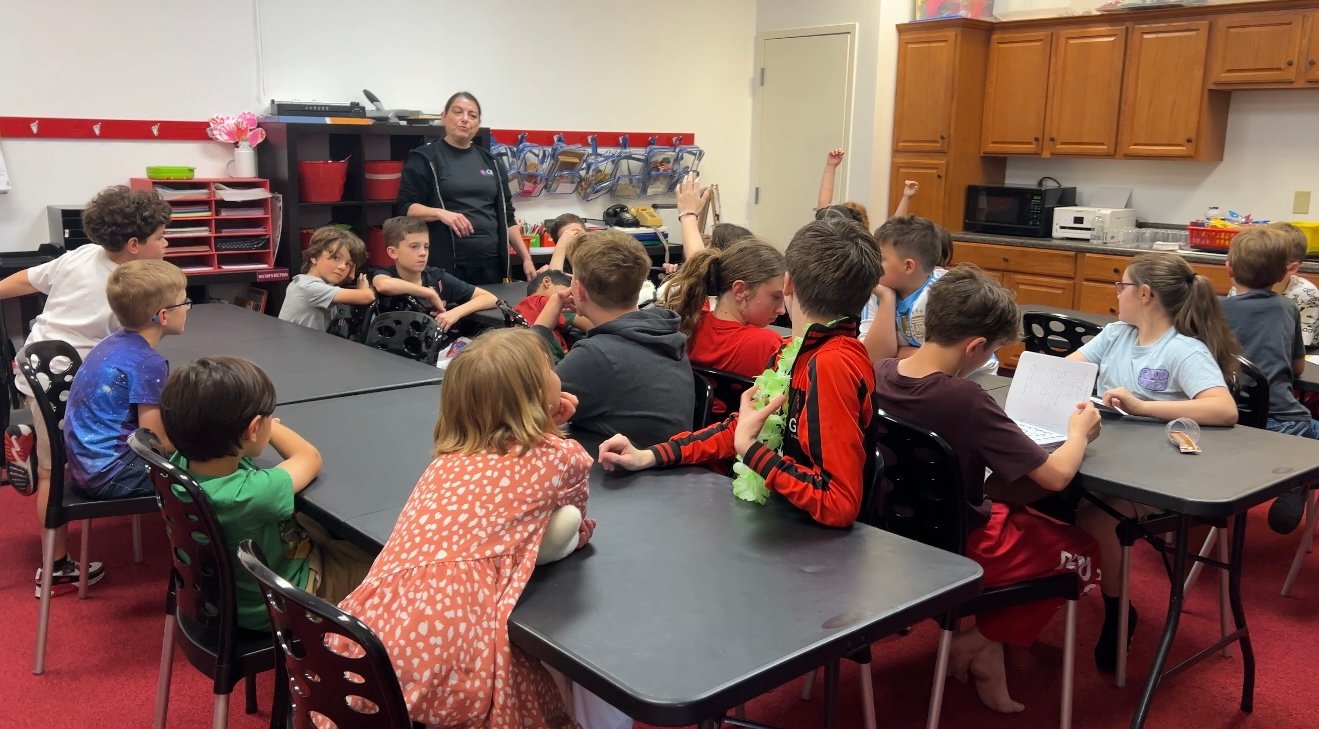
School comes first in a concrete way: report cards are part of our advancement criteria. A child who wants their next belt has a reason to care about grades too. Students become eligible for belt testing after about three months of consistent attendance, which gives them a goal they can see. Families who want extra help can add private 45-minute tutoring sessions for ages 6 and up at $30–$40 per hour.
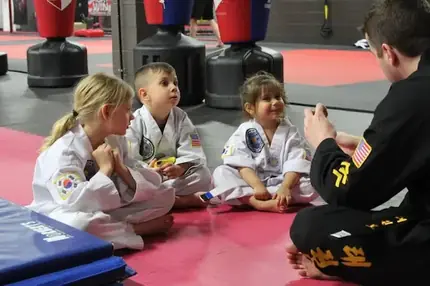
Classes are taught by the same family behind Global Martial Arts USA, which has worked with kids for more than 33 years. Homeschool students at our homeschool academy get physical education through martial arts as well. If you’re still deciding whether this is more than a place to wait for pickup, see why martial arts beats babysitting and how martial arts builds confidence. Current rates are on our school pricing page.
See It in Action
Schedule a consultation and tour our campus in Gallatin, TN. Every child gets a free private assessment before starting, so we can place them with the right peer group and staff support.
Book a ConsultationOr call us at (731) 324-3850
Frequently Asked Questions
Martial arts is not a substitute for studying, but research links it to better self-control, attention and classroom behavior. A 2004 study of a school-based Tae Kwon Do program found gains in self-regulation, classroom conduct and a mental math test. Those skills support better schoolwork over time.
In the best-known study, changes showed up after about three months of regular classes. Every child is different. Consistent attendance matters more than any single class, which is why steady weekly practice works better than occasional drop-ins.
Research on executive function suggests that kids who start with weaker focus and self-control often gain the most from structured activities like martial arts. Classes ask kids to listen, remember sequences and wait their turn, which is practice for the classroom.
Not at GMA. In our after school program, homework and tutoring time comes before the fitness blocks, so schoolwork gets done first. Report cards are also part of our advancement criteria.
Yes. Every afternoon includes dedicated homework time with staff support, and private 45-minute tutoring sessions are available separately at $30 to $40 per hour for ages 6 and up.