
Ask most parents what they want for their child and “healthy and happy” is near the top of the list. It turns out those two goals are more connected than they look, and the bridge between them is movement. Physical activity for kids is not just about burning off energy or building strong bodies — it shapes how children focus in class, how they sleep, how they handle stress, and even how they feel about themselves. And in a world that keeps pulling kids toward screens and chairs, protecting that daily hour of movement matters more than it ever has. Here is what the research actually shows, and how we build activity into every afternoon at GMA in Gallatin, TN.
What the Research Says About Physical Activity for Kids
The guidance from health authorities is refreshingly clear. Federal physical activity guidelines and the CDC recommend that children and teens ages 6 to 17 get at least 60 minutes of moderate-to-vigorous physical activity every single day, with muscle- and bone-strengthening movement folded in at least three days a week. That is the baseline for healthy growth — not an aspirational target for future athletes.
Compared with their less active peers, kids who move regularly have higher fitness, lower body fat, and stronger bones and muscles, and they build habits that lower their lifetime risk of heart disease, type 2 diabetes, and obesity. In other words, the afternoon your child spends moving is not just about today. It is quietly setting the thermostat for a lifetime of health. You can read the full breakdown in the CDC’s physical activity guidelines for children.
The 60-Minute Benchmark Most Kids Miss
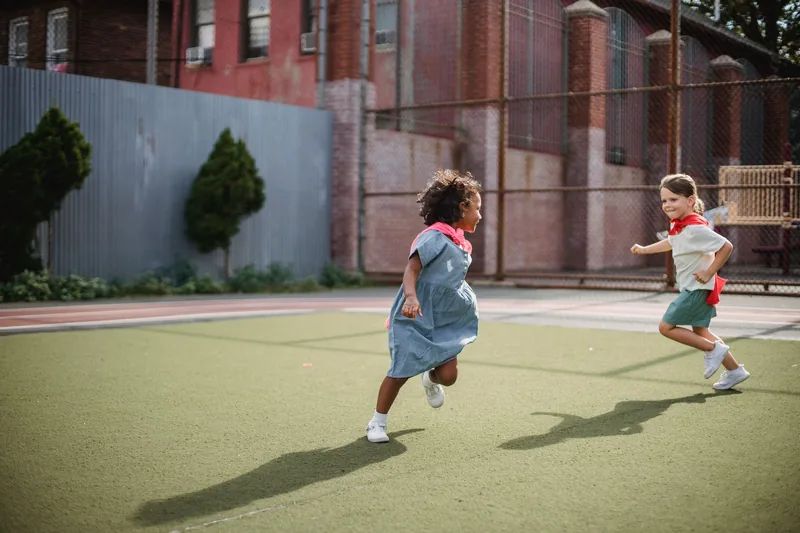
Here is the honest, uncomfortable part: the majority of American children do not come close to that 60-minute mark. National surveys have consistently found that only a minority of kids meet the daily guideline, and activity tends to fall off sharply as children move into the tween and teen years. The school day helps less than parents assume, too — recess and PE have been trimmed in many districts, and the hours right after dismissal are often the least active of the day.
That after-school window is exactly where the problem — and the opportunity — lives. Left unstructured, those hours slide easily into snacks and screens. This is the same tension we dig into in our look at screen time versus active time: it is rarely that kids refuse to move, it is that nothing in the environment is asking them to. Change the environment, and the activity takes care of itself.
More Than Fitness — The Brain and Mood Payoff
If the physical benefits were the whole story, movement would already be worth the effort. But the most striking research is about what happens above the neck. Regular physical activity in children is linked to better cognition, memory, attention, and classroom behavior, and studies have found improvements in grades and test scores among more active kids. Movement increases blood flow to the brain and helps children discharge restlessness, so they come back to a task calmer and more focused — which is one reason activity and academics belong in the same afternoon, not in competition for it.
There is a mental-health dividend, too. Physical activity is associated with reduced symptoms of anxiety and depression in young people, better sleep, and a steadier mood. For a child who struggles to sit still or wind down, a good hour of movement is often more effective than any lecture about focus. It is also a natural confidence builder — mastering a new skill and feeling your own body get stronger is quietly powerful, which is part of why we use martial arts rather than just babysitting in our program.
How GMA Builds Daily Movement Into the After-School Day
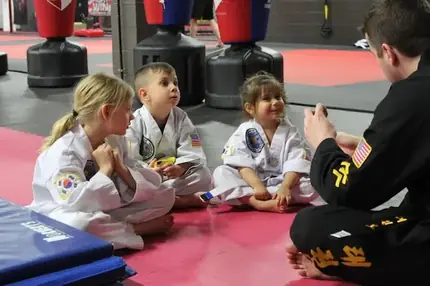
Knowing kids need 60 minutes is easy; making it happen on a busy weekday is the hard part. That is the gap our program is designed to close. At GMA, physical education through martial arts is included free with every after-school enrollment, so movement is not an optional add-on — it is baked into the routine. We pick children up from 14 local schools across Gallatin and Sumner County and bring them to our 6,000 sq ft campus, where certified, background-checked instructors lead them through active, skill-based training nearly every afternoon.
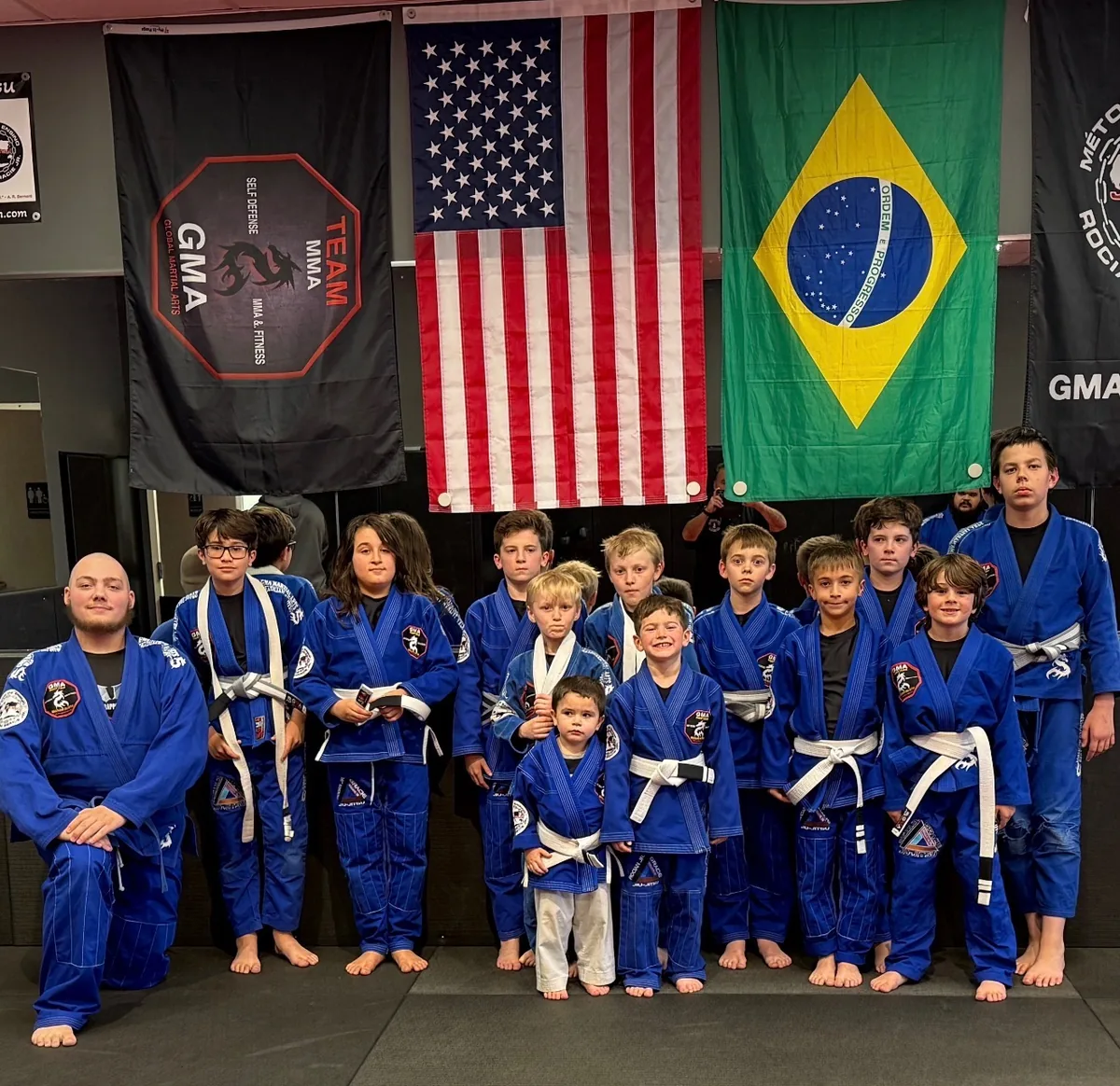
Martial arts is an especially good fit for the child who is not drawn to team sports. It is a full-body workout that builds strength, coordination, and balance, but it is non-competitive and progress-based, so every kid moves at their own pace. Paired with active play and structured routines, it means most of a child’s daily activity is done before they ever walk in your door. You can see how it fits into the bigger picture on our after school program page, and how the same philosophy carries into the longer, active days of our summer and break camps. It all traces back to more than 33 years of youth development from the Spillmann family and the world-class instruction at Global Martial Arts USA — a program voted Best in Sumner County in 2024 and 2025.
No single program can hit every child’s 60 minutes alone, and weekends and family walks and backyard games all matter. But an after-school setting that treats daily movement as non-negotiable takes the biggest, hardest chunk of that goal off your plate — and hands your child the focus, the mood, and the strong, capable body that come with it.
Give Your Child an Active Afternoon
Schedule a free consultation and tour our 6,000 sq ft campus in Gallatin, TN. See how GMA keeps kids moving, focused, and growing through martial arts, homework help, and character building — every afternoon.
Book a ConsultationOr call us at (731) 324-3850
Frequently Asked Questions
Federal guidelines recommend that children and teens ages 6 to 17 get at least 60 minutes of moderate-to-vigorous physical activity every day. Most of that should be aerobic movement, with muscle-strengthening and bone-strengthening activity on at least three days a week. It does not have to happen all at once — shorter bursts across the afternoon add up, which is why a structured after-school setting is such a good fit.
Research links regular physical activity in kids to better cognition, memory, focus, and classroom behavior, and studies have found improvements in grades and test scores. Movement increases blood flow to the brain and helps children settle and concentrate afterward. It is not a substitute for good teaching or homework time, but active kids tend to be more ready to learn.
Team sports are only one option. Martial arts, active free play, dance, biking, and simple games all count toward the daily 60 minutes. At GMA in Gallatin, TN, physical education comes through martial arts, which gives non-sporty kids a non-competitive, skill-based way to stay active while building confidence and self-control.
Physical education through martial arts is included free with every after-school enrollment, so kids move nearly every afternoon under certified, background-checked instructors. Combined with active play and structured routines at our 6,000 sq ft Gallatin campus, it means children get a meaningful share of their daily activity before they ever get home.