
Most families don’t decide to homeschool on a whim. It usually starts with a hard school year, a child who needs a different pace, or a schedule that just doesn’t work anymore. Then the practical questions hit all at once. If you are trying to figure out how to start homeschooling in Tennessee, this guide gives you the order of operations so you can move from “we’re thinking about it” to a first week that actually runs.
We run a full-day K-12 homeschool academy in Gallatin, TN, and we walk new families through these same steps every month. This is a general overview, not legal advice. Rules can change, so confirm current requirements with the Tennessee Department of Education and the school or program you enroll with.
How to Start Homeschooling in Tennessee in 7 Steps
Step 1: Get Clear on Your Why
Before you pick a curriculum or file a form, write down why you are homeschooling and what a good day looks like. More flexibility? Faith-based learning? A child who is ahead, behind, or struggling socially? A safer environment? Your answers decide almost everything that follows, from which legal path fits to how much of the teaching you want to do yourself.
Be honest about your own schedule too. If both parents work, a plan that has you teaching six hours a day at the kitchen table won’t last past October.
Step 2: Choose Your Legal Pathway
Tennessee recognizes three ways to homeschool: an independent home school registered with your local district, enrollment through a church-related umbrella school, or enrollment in an accredited online school. Each one handles registration, records, testing, and transcripts differently.
Our guide to Tennessee homeschool laws breaks down every requirement side by side, so we won’t repeat them here. The short version: the independent path gives you the most control and the most paperwork. An umbrella school trades a little control for a lot less filing.

Step 3: Register Before You Withdraw
Order matters here. If your child is in public school now, line up your homeschool registration or umbrella school enrollment first, then let the current school know. That way there is no gap where your child is enrolled nowhere.
On the independent path, you file an Intent to Home School form with your local district’s home school coordinator. The state says there is no deadline for registering the first time, so you can start mid-year. After that first year, a new form is due before each school year. If you go the umbrella route, the umbrella school generally handles registration, so talk to them before you withdraw. Ask your child’s current school for copies of report cards and records either way.
Step 4: Pick a Curriculum That Fits Your Child
Tennessee doesn’t hand homeschoolers a curriculum. On the independent path you choose it, and your district will ask you to name it. Umbrella and online schools set their own. When you compare options, look at:
- How your child learns. Workbooks, online lessons, hands-on projects, or a mix.
- How much you teach. Some curricula are parent-led every step; others are mostly self-paced.
- Transcripts. If high school credits or college are on the horizon, a program that produces clean transcripts saves you work later.
- Faith and values. Christian-based and secular options both exist. Pick the one that matches your family.
Don’t overbuy in the first month. Start with core subjects, see how your child responds, and add from there.
Step 5: Build a Daily Routine
The biggest surprise for new homeschool families is how fast a day without structure falls apart. Set a start time, a lunch break, and a clear end to the school day. Put core subjects like math and reading in the morning when focus is highest. Keep the routine simple for the first few weeks, then adjust.

Step 6: Plan for PE and Friends
Academics get all the attention when you start homeschooling. Physical activity and time with peers are the two things that slip first. Put both on the calendar from week one: a class, a sport, a co-op, anything with a consistent group of kids and an adult teaching. Our posts on homeschool PE classes and homeschool socialization cover what to look for.
Step 7: Keep Records From Day One
Whatever path you choose, start a simple system on the first day: attendance, the curriculum you are using, samples of your child’s work, and grades. Your path decides what you have to submit and when, but keeping records from the start means you are never rebuilding a semester from memory.
You Don’t Have to Do It All Yourself
Plenty of families start homeschooling assuming it means one parent teaching every subject at home. It doesn’t have to. Co-ops share teaching among parents. Hybrid homeschool splits the week between campus and home. And a full-day academy handles the teaching while you stay in charge of your child’s education. Our post on why our program is more than a co-op compares the options.
At GMA, our K-12 homeschool academy runs Monday through Friday, 10 AM to 5 PM, on our 6,000 sq ft campus in Gallatin, TN. Students learn from an accredited K-12 curriculum with dedicated teachers and tutors on-site, and a Christian-based curriculum option is available. We follow Tennessee’s umbrella school model through our curriculum partners, so students receive official transcripts and parents receive documentation for state filing.
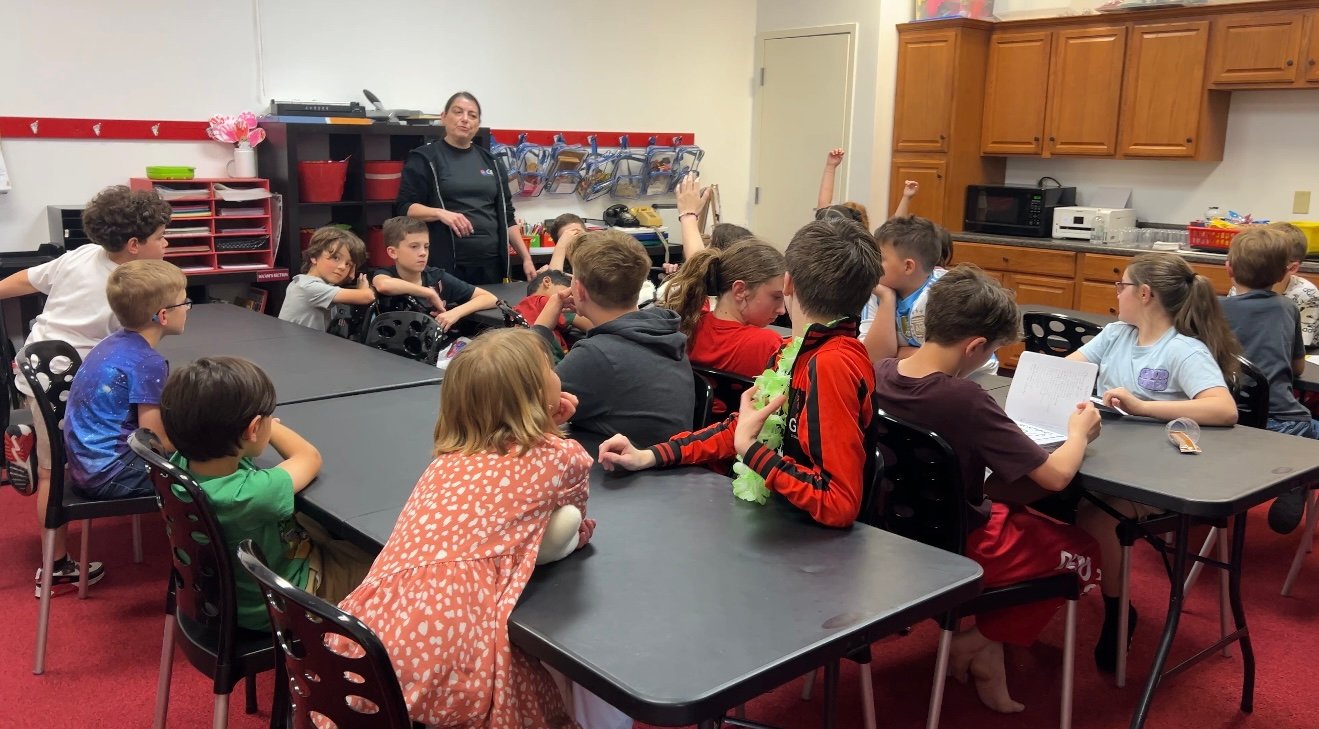
Steps 5 and 6 are built in. The day follows a set schedule, and every student gets structured physical education through martial arts 3 to 5 days a week, taught by the same family behind Global Martial Arts USA. Full-day homeschool is $170 per week plus a one-time $240 startup fee that includes a uniform, and a curriculum fee for the partner you choose. Families can also ask about partial schedules. Current rates are on our school pricing page, and a Director interview is required before enrollment.
Start Homeschooling With a Plan
Schedule a consultation and tour our campus in Gallatin, TN. Meet our Director, ask about curriculum and paperwork, and see what a full homeschool day looks like.
Book a ConsultationOr call us at (731) 324-3850
Frequently Asked Questions
Yes. The Tennessee Department of Education says there is no deadline for registering an independent home school the first time, so families can start mid-year. Line up your registration or umbrella school enrollment before you withdraw your child so there is no gap.
It depends on your path. Independent home schools file an Intent to Home School form with the local school district’s home school coordinator. If you enroll through a church-related umbrella school or an accredited online school, that school generally handles registration.
No. For an independent home school, the parent-teacher needs a high school diploma or equivalency credential, with proof sent in with the intent form. Umbrella and online schools set their own expectations.
Keep it simple. Set a daily start and end time, focus on core subjects like math and reading, start an attendance and records system, and put physical activity and time with other kids on the calendar. Adjust after the first few weeks.
Yes. GMA’s K-12 homeschool academy in Gallatin, TN follows Tennessee’s umbrella school model through our curriculum partners, with official transcripts and documentation for state filing. Families meet with our Director before enrolling and can ask about curriculum options, schedules and paperwork.