
“But what about socialization?” If you’re homeschooling — or thinking about it — you’ve almost certainly heard that question, maybe from a well-meaning relative at dinner. It’s the single most common worry parents raise, and the fear behind it is real: no parent wants their child to grow up isolated or awkward. But the truth about homeschool socialization is very different from the stereotype, and once you understand what actually shapes a child’s social growth, the whole question looks different. Here in Gallatin, TN, we see it play out every day.
GMA Educational Academy has spent more than 33 years developing the whole child — academically, physically, and socially. In this post we’ll separate the myth from the reality, look at what the research says, and show how a structured, full-day program gives homeschool students the peer time they need without giving up the flexibility that drew families to homeschooling in the first place.
Where the Socialization Myth Comes From
The image most people picture — a lonely child at a kitchen table, cut off from other kids — comes from an outdated idea of what homeschooling looks like. Decades ago, homeschooling was rare and often invisible, so assumptions filled the gap. Those assumptions stuck around long after the reality changed.
Today, homeschooling is mainstream and highly connected. Families build their weeks around co-ops, sports leagues, church groups, library programs, music lessons, and full-day academies like ours. The modern homeschooler is frequently more engaged with their broader community than a child who spends six hours a day in a single classroom of same-age peers. The myth persists mostly because it’s repeated — not because it holds up.
What the Research Says About Homeschool Socialization
This is where the conversation should start, because the evidence is reassuring. Researchers who have reviewed the studies on homeschool socialization — most notably the work summarized by researcher Richard Medlin — consistently find that homeschooled children tend to score average or above average on measures of social skills, self-concept, and emotional maturity. They participate in community activities, form friendships across a wider range of ages, and generally do not show the deficits the stereotype predicts.
But there’s an honest caveat worth naming: homeschooling doesn’t automatically produce great social skills any more than sitting in a classroom does. The children who thrive socially are the ones who get consistent, meaningful time with peers and caring adults. Socialization isn’t a byproduct of a building — it’s the result of intentional, repeated practice. That’s the part parents actually control, and it’s the part a good program is built to deliver.
Socialization Is About Quality, Not Just Quantity
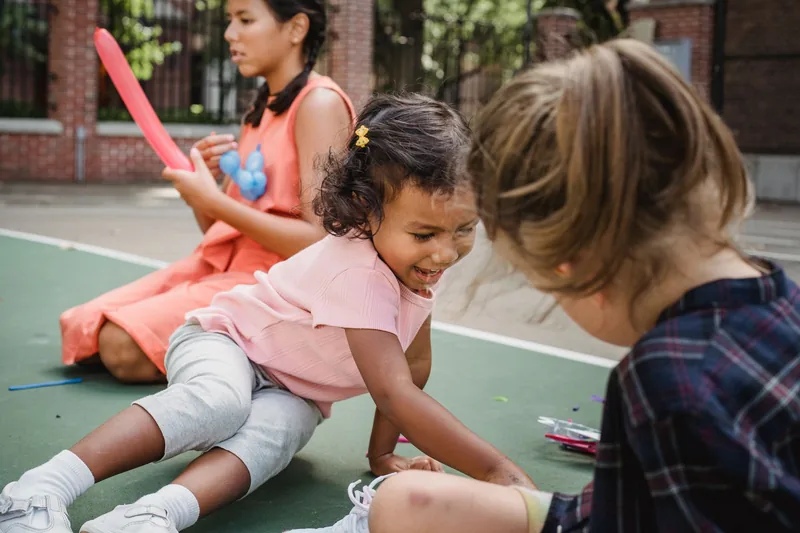
One of the quiet criticisms of the traditional classroom is that it confuses proximity with socialization. Sitting near thirty other seven-year-olds for hours isn’t the same as learning to cooperate, resolve conflict, and show respect. Real socialization is a set of skills: taking turns, listening, handling disagreement, leading and following, and treating other people with kindness even when it’s hard.
Those skills grow best in smaller, well-supervised settings where adults can actually coach them in the moment — not in a crowd where a struggling child slips through the cracks. That’s exactly why our approach at GMA is described by many families as more than a co-op: it pairs a consistent daily peer group with adults who are trained to guide how kids treat one another, not just what they learn.
How GMA Builds Real Socialization Every Day
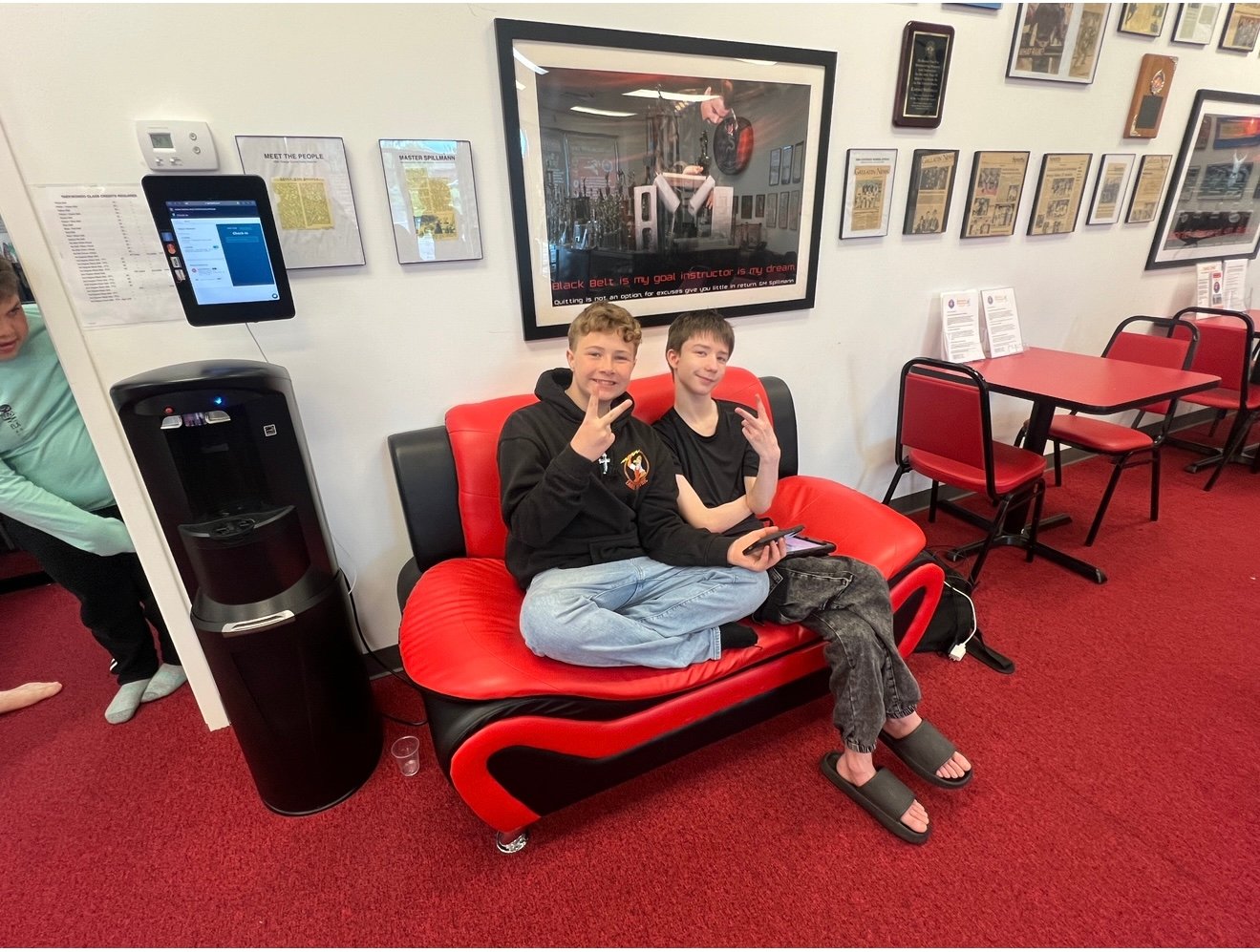
Our homeschool program runs as a full-day academy, Monday through Friday from 10:00 AM to 5:00 PM, inside our 6,000 sq ft campus. That structure matters. Instead of scrambling to assemble a social life from scattered weekly activities, families get a built-in, consistent group of peers their child sees every single day — through core academics, electives and enrichment, supervised lunch, and physical education.
That daily rhythm is how genuine friendships form. Shy students gradually find their footing, and outgoing students learn to lead. Our team brings over 30 years of experience working with children across the full range of temperaments, including a Child Development Expert with a B.S. in Child Development who personally oversees each new student’s integration at their own pace. Every new family also starts with a free private assessment, so we understand your child — their personality, learning style, and any special needs — before day one.

Character is where our program goes a step further than most. Every GMA student receives physical education through our martial arts program, and martial arts is essentially socialization in motion. Kids practice respect, self-control, patience, and teamwork with training partners of different ages and skill levels. They learn to win graciously, lose without falling apart, and encourage a classmate who’s struggling. Those are the exact social muscles the myth claims homeschoolers miss — and here they’re part of the daily schedule, not an afterthought.
What Thriving Socially Actually Looks Like
Parents sometimes expect socialization to mean a huge circle of casual acquaintances. In our experience, healthy social growth looks quieter and more durable than that. It looks like a child who has a few real friends, who can introduce themselves to an adult without hiding, who works through a disagreement instead of melting down, and who feels genuinely part of a group.
Families who want afternoon-only coverage see the same growth through our after school program, and you can learn more about our team and community programs on the about page. Whichever path fits your family, the goal is the same: not just managing behavior, but developing balanced, confident kids who know how to belong. If “what about socialization?” has been holding you back, we’d love to show you what the reality looks like in person.
See the Difference for Yourself
Schedule a free consultation and tour our 6,000 sq ft campus in Gallatin, TN. See firsthand how GMA helps homeschool students in Sumner County build real friendships and confidence.
Book a ConsultationOr call us at (731) 324-3850
Frequently Asked Questions
Research generally does not support the stereotype. Reviews of the studies find that homeschooled children usually score average or above average on measures of social and emotional development. What matters is not whether a child is homeschooled, but whether they have regular, structured chances to be around peers. A full-day program like GMA builds that in every day.
GMA runs a full-day K-12 program, Monday through Friday from 10 AM to 5 PM, so students spend real time every day with a consistent group of peers through core academics, electives and enrichment, supervised lunch, and physical education. That daily rhythm is how genuine friendships form.
No. Healthy socialization also means learning respect, self-control, teamwork, and how to handle disagreement. GMA’s martial arts physical education is built around exactly these habits, so students practice character and cooperation, not just conversation.
It often does. Every new family starts with a free private assessment so our Child Development Expert understands your child before day one, then builds a personalized path into group learning at their own pace. Shy students gradually find their footing in a small, consistent, supervised group.